 Weitai Hydraulic
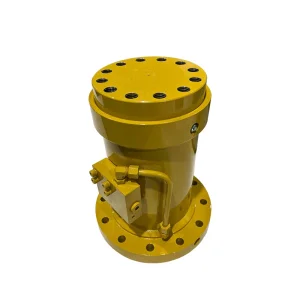
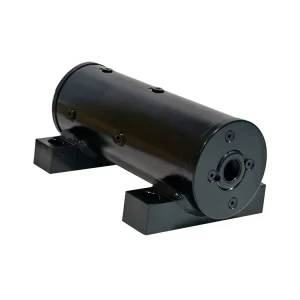
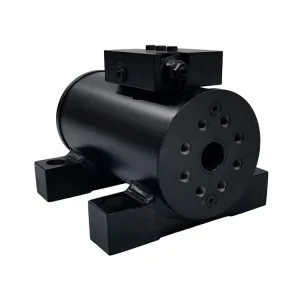
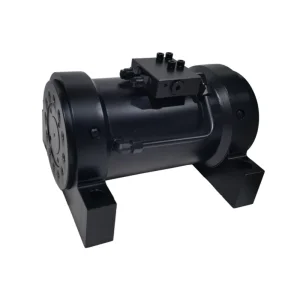
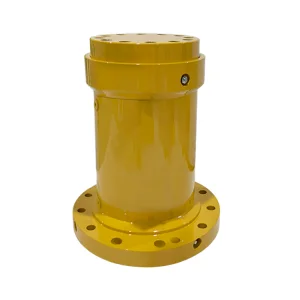
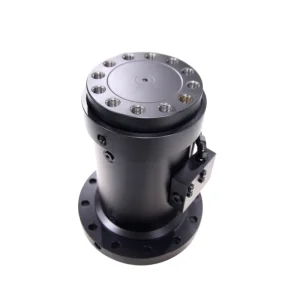
The Evolution of Sliding Spline Rotary Power: L20-8.2
An Industry Whitepaper on Mechanical Hydraulics & High-Load Applications
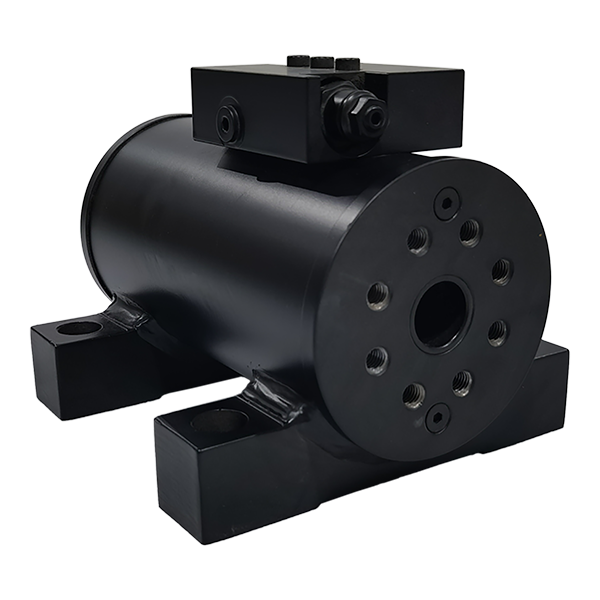
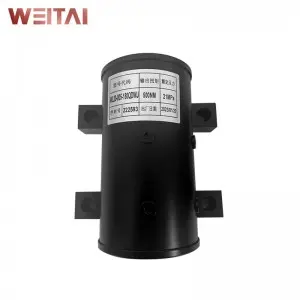
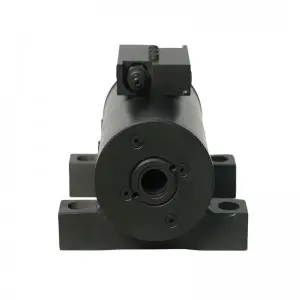
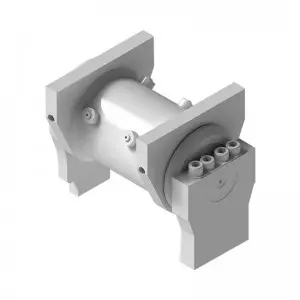
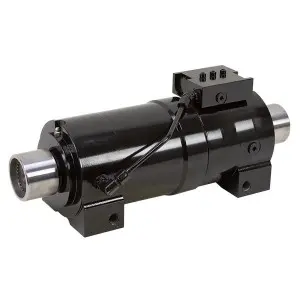
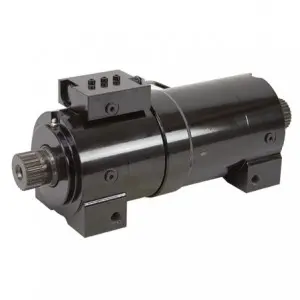
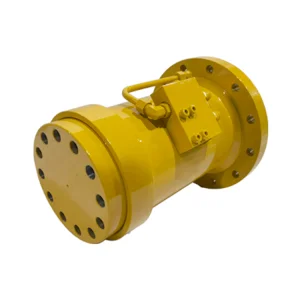
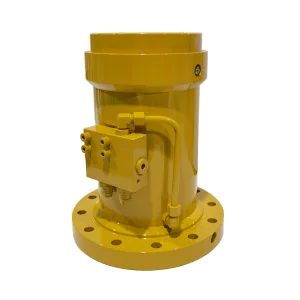
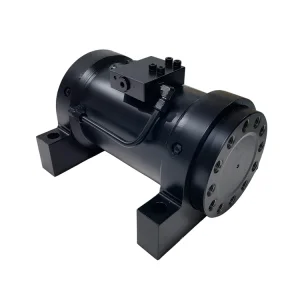
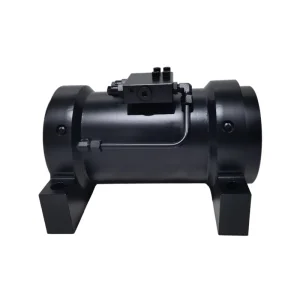
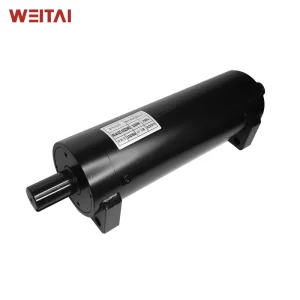
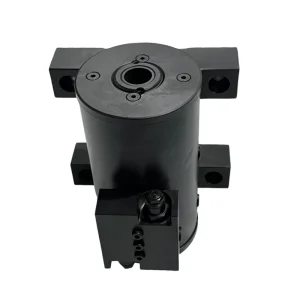
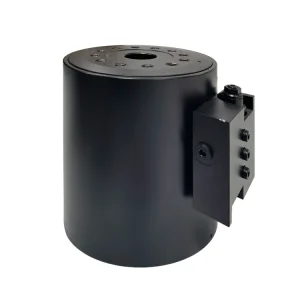
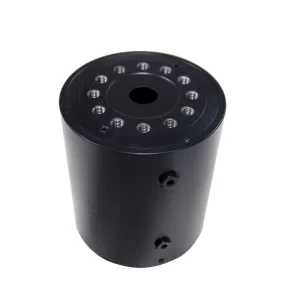
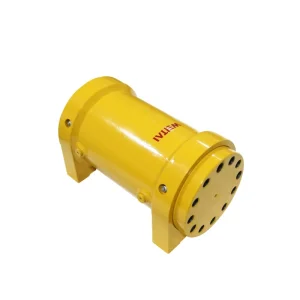
In the heavy-duty machinery sector, rotational force management demands robust engineering capable of balancing dimensional space efficiency with extreme torque handling. The L20-8.2 Rotary Actuator represents the absolute standard of helical hydraulic sliding spline technology. Designed to satisfy high-load and extreme environments, this actuator configuration utilizes a unique sliding spline mechanism that converts linear piston movement into a high-torque rotary output. By distributing loads across concentric helical gears, the L20-8.2 model completely eliminates internal backlash, preventing sudden structural failures under severe shock conditions.
Understanding Helical Hydraulic Engineering Mechanics
At the core of the L20-8.2 rotary actuator is a precision-machined inner shaft with external helical splines, a piston sleeve featuring matching internal and external splines, and a stationary outer housing with internal splines. When hydraulic fluid pressure is introduced, the piston is driven axially. Due to the helical configuration, this axial shift forces the piston to rotate relative to the housing, which in turn multiplies the rotational torque transmitted directly to the output shaft. This complex mechanism achieves several primary functions:
- Dynamic Mechanical Lock: The high angle helix allows the actuator to hold an intermediate angle position indefinitely, minimizing drift and internal leakage.
- Compact Volumetric Efficiency: Compared to traditional cylinder-and-linkage systems, a helical actuator reduces structural envelope size by up to 50%, freeing up vital layout space in complex vehicular assemblies.
- Radial & Axial Bearing Capacity: The internal double-row ball/roller configuration handles severe overhang loads, meaning engineers can directly mount components onto the actuator without external support structures.