Top Tips for Choosing a Reliable Subsea Rotary Actuator?

Time:2026-08-01 Author:Henry
0%

When selecting a dependable Subsea Rotary Actuator, industry insights are essential. The global market for subsea actuators is expected to grow significantly. According to a recent report by MarketsandMarkets, the CAGR for this market from 2023 to 2030 is anticipated to be over 6%. This growth reflects the increasing demand in offshore oil and gas operations.

Expert John Smith, a leading figure in subsea technology, once stated, “Choosing the right actuator can significantly enhance operational efficiency.” This underscores the importance of making an informed choice. Each actuator must meet specific reliability standards, especially given the challenging underwater environments.

Consider quality, compatibility, and manufacturer reputation. Inadequate research can lead to costly downtime and suboptimal performance. Recognizing potential pitfalls in the selection process is crucial. Ultimately, a well-chosen Subsea Rotary Actuator can be a game changer in optimizing subsea operations and ensuring safety.
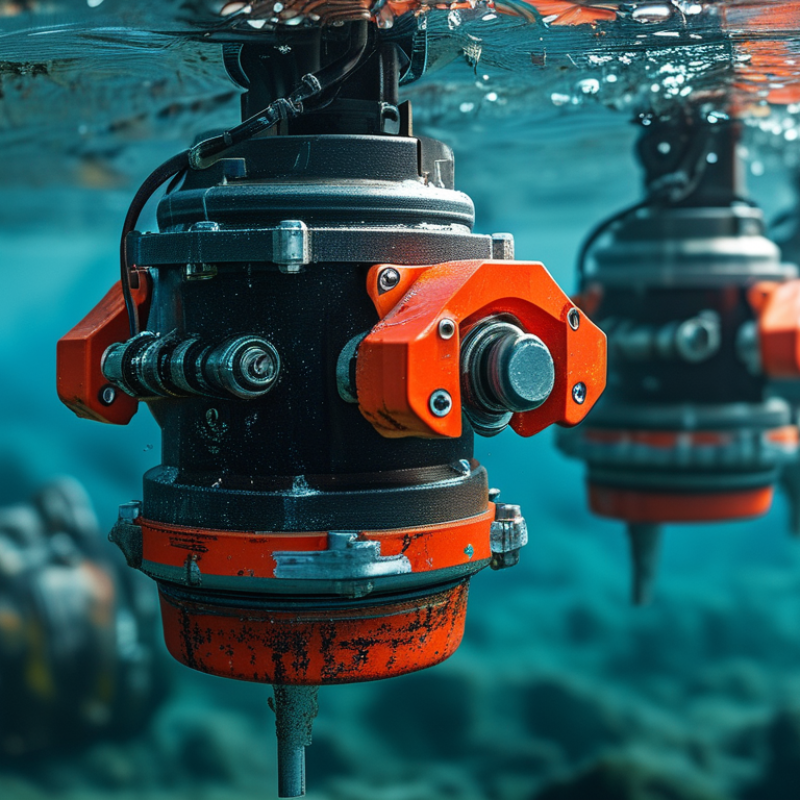
Top Tips for Choosing a Reliable Subsea Rotary Actuator?

Understanding Subsea Rotary Actuators: Key Functions and Applications

Subsea rotary actuators play a crucial role in offshore operations. These devices control valves and dampers underwater, enabling efficient management of fluids and gases. According to industry reports, the global subsea actuator market is projected to grow by 5.1% annually, reflecting the increasing demand for reliable automation in underwater applications.

When selecting a subsea rotary actuator, consider its environmental resilience. These actuators must withstand high pressure and corrosive conditions. Effective sealing against water ingress is vital for longevity. Many models feature advanced materials, enhancing durability. However, it's essential to ensure they have undergone rigorous testing to meet industry standards.

Choose actuators with verified certifications. This reinforces their ability to operate under extreme conditions. Seek feedback from industry professionals who have experience with these technologies. Understand how they perform in real-world scenarios.

Don’t overlook maintenance requirements. Some actuators require regular checks, while others offer low-maintenance options. A balance between performance and upkeep can prevent costly downtime. Investing in the right actuator can optimize your subsea operations significantly.

Factors Influencing Reliability in Subsea Rotary Actuators

When selecting a reliable subsea rotary actuator, understanding the factors that influence reliability is crucial. One key aspect is the design quality. High-quality materials withstand harsh subsea conditions. Corrosion resistance is vital. Actuators must endure saltwater and pressure. The choice of seals can significantly impact performance. Inadequate seals lead to leaks and failure.

Another factor is the operating environment. Subsea conditions vary greatly. Temperature fluctuations can affect actuator function. High-pressure scenarios require robust engineering. Maintenance protocols also play a role in reliability. Regular inspections can identify potential issues before they escalate. However, even the best maintenance schedule cannot eliminate all risks.

Finally, testing procedures must be comprehensive. Rigorous testing simulates actual conditions. This ensures the actuator can perform as expected. Despite these measures, there can still be failures. It’s important to be aware of these limitations. A cautious approach helps in making informed choices. Understanding these factors enables better decision-making in a demanding industry.

Comparative Analysis of Leading Subsea Rotary Actuator Manufacturers

Choosing the right subsea rotary actuator can be challenging. A comparative analysis of leading manufacturers reveals key differences. Some focus on durability, while others prioritize efficiency. Understanding these aspects helps you make an informed decision.

Durability is crucial for subsea environments. Some manufacturers utilize advanced materials that withstand corrosion. This ensures longer service life. Efficiency impacts operational costs significantly. Actuators with high efficiency reduce energy consumption. Investigate the specifications carefully.

Service and support vary among manufacturers. Some offer robust technical assistance, while others do not. Consider the availability of replacement parts as well. A reliable actuator can fail, and responsive support is vital. These factors provide insight into the overall reliability of each manufacturer.

Evaluating Performance: Key Metrics for Rotary Actuator Selection

When selecting a subsea rotary actuator, evaluating performance is critical. Start by measuring torque output. This metric indicates how effectively the actuator can perform its tasks under pressure. The required torque largely depends on the application's load characteristics. For instance, some operations may demand higher torque to manage heavier machinery, while others might function optimally at lower levels.

Next, consider the response time. This indicates how quickly the actuator can react to control signals. Delays can affect system performance and lead to inefficiencies. High-speed operations often benefit from shorter response times. Yet, in some cases, a slower response can be desirable for safety reasons. Understanding these aspects requires a careful balance based on your specific application needs.

Another essential metric is operational reliability. Analyze how often the actuator requires maintenance. Frequent maintenance can lead to increased downtime. Using performance data from various applications can offer insights into reliability levels. Be cautious, however, as some may present overly optimistic claims. Real-world testing under typical conditions can provide a clearer picture of reliability. Engaging with industry specialists can also help in gathering solid, unbiased information.

Maintaining Subsea Rotary Actuators: Best Practices for Longevity

Maintaining subsea rotary actuators is crucial for ensuring their longevity and reliability. Regular monitoring of actuator performance can prevent unexpected failures. Consider conducting routine inspections to check for signs of wear. Small leaks or unusual noises can indicate a need for immediate attention.

Proper lubrication is essential for these systems. Use the recommended lubricants to reduce friction and wear. Over-lubrication can lead to other issues, such as contamination. Monitor lubricant conditions regularly, and replace it based on usage and operational conditions.

Environmental factors play a significant role in actuator performance. Corrosion can significantly affect durability. Protect these actuators from aggressive marine environments. Coatings and protective barriers can help but require periodic evaluations for effectiveness. It's important to remember that even a reliable actuator needs diligent care to ensure high performance throughout its operational life.

Top Tips for Choosing a Reliable Subsea Rotary Actuator

This chart shows the evaluation criteria for choosing a reliable subsea rotary actuator based on industry standards.

FAQS

: What is the most important metric when selecting a rotary actuator?

: Torque output is critical. It shows how well the actuator performs tasks under pressure.

How does load affect torque requirements?

Heavier machinery requires higher torque. Lighter applications can operate with less torque effectively.

Why is response time important for rotary actuators?

Response time affects how quickly the actuator reacts to control signals. Delays can reduce efficiency.

Can a slower response time be beneficial?

Yes, a slower response can enhance safety in some applications. Balance is key based on specific needs.

What should be monitored for actuator maintenance?

Regular inspections for wear signs are crucial. Look for leaks or unusual noises that indicate problems.

How does lubrication impact actuator performance?

Proper lubrication reduces friction and extends life. However, too much lubricant can cause contamination issues.

What environmental factors should be considered?

Corrosion from marine environments can affect durability. Protective coatings require regular evaluation for effectiveness.

Is maintenance frequency a sign of reliability?

Yes, frequent maintenance may indicate reliability issues. Ensure you check performance data from various applications.

How can real-world testing improve reliability understanding?

Testing under typical conditions provides clearer insights. It helps validate or challenge overly optimistic performance claims.

Why consult industry specialists during selection?

Specialists can provide unbiased insights. This information can help make informed decisions based on experience.

Conclusion

When selecting a reliable Subsea Rotary Actuator, it is essential to understand its key functions and applications within underwater environments. These actuators play a crucial role in various subsea operations, where reliability is paramount. Factors influencing their reliability include the materials used, design integrity, and environmental conditions specific to subsea applications.

To ensure optimal performance, evaluating critical metrics such as torque, response time, and durability is necessary during the selection process. Furthermore, maintaining the longevity of Subsea Rotary Actuators involves adhering to best practices, including regular inspections and appropriate storage conditions. By focusing on these aspects, operators can enhance the overall efficiency and lifespan of their subsea systems.

Henry

Henry

Henry is a dedicated marketing professional with a profound expertise in the company's offerings. With years of experience in the industry, he possesses an impressive understanding of the market dynamics and consumer behaviors that drive success. Henry is committed to sharing his insights through......