When selecting actuators for industrial applications, the Hks Rotary Actuator stands out as a reliable choice. According to a recent report by MarketsandMarkets, the global actuator market is projected to reach USD 88 billion by 2025, with rotary actuators capturing a significant portion of this growth. The versatility and efficiency of Hks Rotary Actuators play a crucial role in various industries, including automation and manufacturing.
These actuators offer precise control and durability, making them essential for complex projects. Their compact design allows for easy integration into existing systems. However, it’s important to recognize some weaknesses. Depending on the specific application, you may encounter challenges such as installation complexities or compatibility issues with certain systems.
Investing in the right actuator is critical. The performance of Hks Rotary Actuators has been verified in numerous case studies. A well-chosen actuator can lead to increased productivity and reduced downtime. Ultimately, evaluating your project needs against the capabilities of Hks Rotary Actuators could be a game changer.
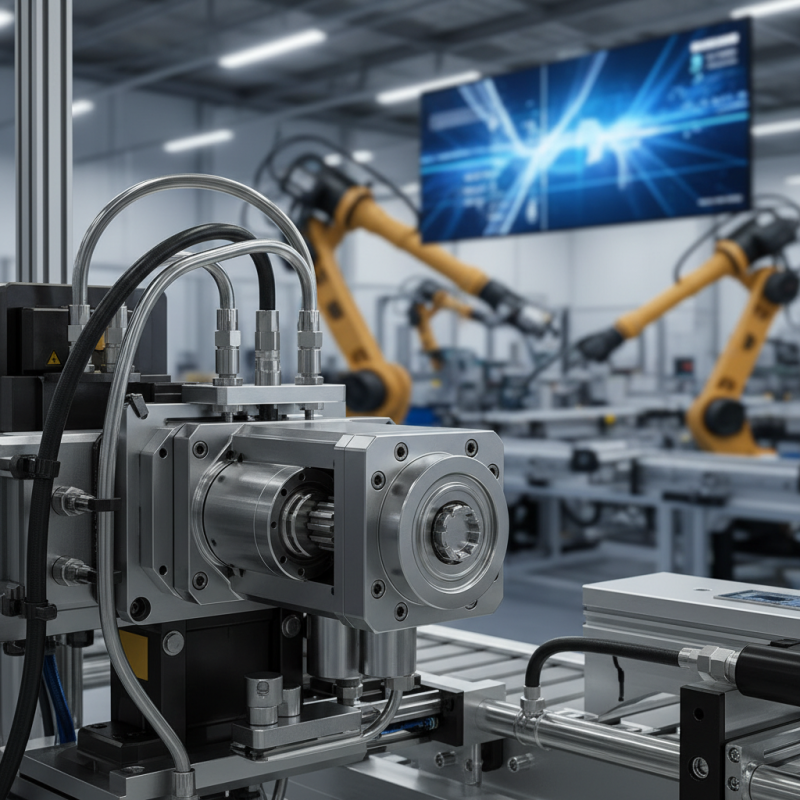
Rotary actuators are essential components in many projects. They convert rotational motion into linear movement or vice versa. Understanding their basics can help you choose the right one for your needs. These devices work on various principles, such as electric, pneumatic, or hydraulic systems. Each type has its unique advantages and limitations.
Selecting the right rotary actuator involves careful consideration. Think about the required torque and speed for your application. Always assess the environment where the actuator will operate. Factors like temperature and humidity can greatly affect performance.
Tips: When in doubt, consult with an expert. A short discussion can save time and resources. Testing different actuators in a controlled setup can provide clarity. Don't hesitate to invest time in research. The right choice now can prevent issues later. Adjustments might be necessary as project needs evolve. Keep this in mind as you finalize your decision.
When exploring the world of HKS rotary actuators, it's essential to understand their types and applications. These devices convert rotational motion into mechanical power. Common types include electric, pneumatic, and hydraulic actuators, each suited for specific tasks. Electric rotary actuators offer precise control, making them ideal for automation. They are often used in robotics and conveyor systems.
Pneumatic actuators are known for their speed. They rely on compressed air, making them perfect for applications requiring fast movement, such as in packaging machinery. Conversely, hydraulic actuators provide immense power, ideal for heavy-duty tasks. They are commonly used in manufacturing and construction, where high torque is essential.
However, selecting the right actuator can be challenging. Factors like load requirements and environmental conditions affect performance. Users should consider the potential for mechanical failure. A reliable actuator is crucial to avoid project setbacks. Testing various options in real-world scenarios may help identify the best fit for your needs.
Choosing the right rotary actuator for your project is crucial. Consider the torque requirements first. The torque determines how much force the actuator can generate. Higher torque ratings may be necessary for demanding applications. Analyze your load specifications to find the right fit.
Next, look at speed ratings. The speed at which the actuator operates can greatly affect your project’s efficiency. Depending on your needs, a faster actuator can improve overall productivity. However, higher speed may come at the cost of precision. Balancing these factors is essential for effective performance.
Material and environmental factors also matter. The actuator must withstand its operating environment. High humidity or extreme temperatures can impact durability. Choose materials that resist these conditions. Think about maintenance, too. Regular servicing ensures longevity. Rethink your selection if the chosen model raises concerns about reliability over time.
When selecting the right rotary actuator for your project, it's essential to compare various models. Many variables come into play, including torque, speed, and size. Each project demands different specifications, which is where a detailed analysis can help.
**Tips:** Always evaluate the actuator's torque output. A higher torque means better performance in heavy-duty applications.
Look for models that provide precise control. This enhances accuracy in tasks requiring exact movement. Some actuators may seem perfect but could lack reliability over time. Pay attention to user reviews or performance reports.
**Tips:** Check for ease of integration. Actuators that fit smoothly with your existing setup save time and money.
Understanding the differences can prevent costly mistakes. Some models may promise high efficiency but fail under continuous use. Testing several options may reveal hidden flaws. Don’t hesitate to troubleshoot or return products that don't meet your needs.
| Model | Torque (Nm) | Speed (rpm) | Input Voltage (V) | Weight (kg) | Applications |
|---|---|---|---|---|---|
| Model A | 50 | 30 | 24 | 1.5 | Automation Systems |
| Model B | 75 | 25 | 12 | 2.0 | Robotic Arms |
| Model C | 100 | 20 | 48 | 3.5 | Industrial Automation |
| Model D | 150 | 18 | 24 | 4.2 | HVAC Systems |
Integrating HKS rotary actuators into your project can enhance performance and efficiency. These devices are essential for precise control in various applications. According to industry reports, they improve system responsiveness by up to 25%. Understanding their integration is key to maximizing benefits.
When selecting actuators, consider the specific requirements of your project. Factors such as load capacity and speed are crucial. A mismatch can lead to performance issues. Research shows that over 30% of projects fail due to poor actuator selection. Assessing project demands carefully can prevent unnecessary complications.
When installing rotary actuators, ensure proper alignment and mounting. Misalignment or loose connections can cause failure. This is often overlooked, yet it can reduce efficiency by 15%. Testing the system under different conditions helps in identifying potential faults before full-scale implementation. Regular maintenance is also vital. Data indicates that 20% of actuator failures stem from neglecting maintenance schedules.
: They convert rotational motion into linear movement or vice versa, essential in many projects.
Common types include electric, pneumatic, and hydraulic, each suited for different applications.
Consider torque, speed, and environmental factors like temperature and humidity to choose the best option.
Higher torque improves performance, especially in applications requiring heavy-duty capacity.
Yes, factors like humidity and temperature can significantly impact how well the actuator operates.
Consult with an expert or conduct tests in a controlled setup for clarity and confidence.
Pay attention to user reviews, perform real-world tests, and monitor for mechanical failures.
Don’t solely rely on specifications; test them under actual conditions to uncover potential flaws.
It’s crucial; smooth integration saves time and resources, preventing future complications.
Troubleshoot the device, and don't hesitate to return it if it doesn't meet your requirements.
This article explores Hks Rotary Actuators, emphasizing their importance in various projects. It begins by explaining the basic functionality of rotary actuators, detailing how they convert rotary motion into linear motion and their essential role in automation. Various types of Hks Rotary Actuators are discussed, highlighting their specific applications across industries, from automotive to industrial automation.
The article also lists key features to consider when selecting an Hks Rotary Actuator, such as torque capacity, speed, and integration compatibility. A comparative analysis of the top Hks Rotary Actuator models provides valuable insights into their performance and suitability for different project needs. Finally, the article offers practical tips for effectively integrating Hks Rotary Actuators into your initiatives, ensuring optimal operation and efficiency.