Top 10 12V Rotary Actuators for Global Buyers?

Time:2026-10-15 Author:Henry
0%

Choosing the right 12-volt rotary actuator can feel simple until installation begins. Load, speed, duty cycle, mounting space, and control compatibility all matter. A compact actuator may look ideal on a product page, yet struggle under repeated outdoor use.

This guide examines ten Rotary Actuators 12v selected for global buyers. Each option is considered through practical criteria, including torque consistency, gear construction, stroke control, noise, sealing, and available documentation. The review also considers wiring clarity, connector quality, replacement parts, and supplier responsiveness. These details often decide whether installation takes minutes or an entire afternoon.

Real applications vary widely. A vehicle hatch may need smooth positioning, while an industrial flap requires dependable holding force. Marine equipment adds moisture, vibration, and corrosion concerns. Always verify the rated load at the required speed. Do not rely on maximum torque alone.

Specifications can be misunderstood. Some manufacturers publish peak performance rather than continuous operating values. That difference deserves attention. Certification marks and regional voltage practices should also be checked with the supplier before purchase. Product availability may change by market.

This comparison is not a substitute for application testing. It offers a practical starting point, based on common engineering considerations and buyer experience. Still, one limitation remains: laboratory figures cannot fully predict field performance. A small bench test may reveal more than a polished brochure. By comparing strengths, weaknesses, and realistic use cases, buyers can select a 12V rotary actuator with greater confidence and fewer costly surprises.
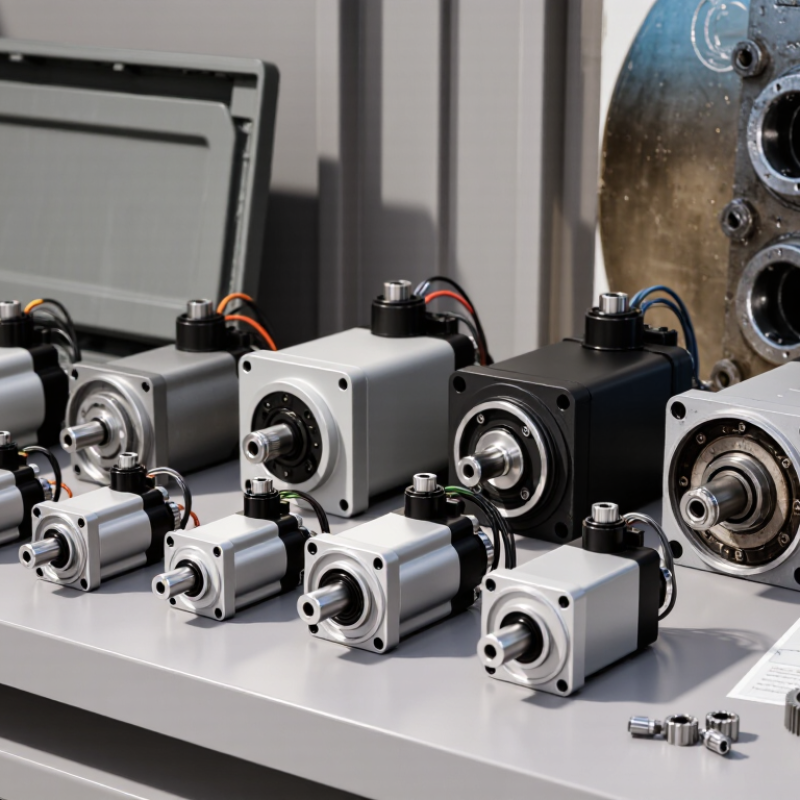
Top 10 12V Rotary Actuators for Global Buyers?

What Are 12V Rotary Actuators and How Do They Work?

A 12V rotary actuator converts electrical energy into controlled angular movement. It usually combines a 12V DC motor, reduction gears, and a rotary output shaft. Reversing motor polarity changes the rotation direction. An H-bridge, relay, or controller manages this switching.

Some models use limit switches, encoders, or potentiometers for position feedback. Without feedback, the actuator may stop only through timed control or mechanical limits. That difference matters in valves, adjustable seats, vents, camera mounts, and compact automation equipment. According to the International Federation of Robotics’ World Robotics 2024 report, factories installed 541,302 industrial robots in 2023. This large installed base reflects continuing demand for reliable motion components.

A buyer comparing the top ten 12V rotary actuators should check torque, rotation angle, speed, duty cycle, backlash, and stall current. The rated current is not the whole story. Startup current can be several times higher. A weak power supply may cause resets, noise, or incomplete movement. The 2024 Industrial Automation Market report from Fortune Business Insights valued the sector at about USD 214.21 billion in 2024 and projects strong growth through 2032. That growth supports broader actuator adoption, but market size does not guarantee product suitability. I would test the actuator under real load, not only free rotation. Temperature, dust, wiring length, and repeated stopping can change performance. Even a careful selection can miss one detail: gearbox wear may become visible only after thousands of cycles.

Key Specifications for Comparing 12V Rotary Actuators

Top 10 12V Rotary Actuators for Global Buyers?

When comparing 12V rotary actuators, start with working torque rather than advertised peak torque. A valve may need 8 Nm continuously, while a compact mechanism needs far less. Check rated voltage tolerance, no-load speed, rotation angle, and duty cycle. A unit rated for short operation can overheat during repeated cycles. Measure current draw under load, especially stall current. Your power supply must handle that brief surge. It is easy to overlook this detail.

Mechanical fit matters just as much. Review shaft size, mounting-hole spacing, gear backlash, and holding torque. Backlash can cause visible movement in a camera mount or dosing mechanism. Confirm whether the actuator includes limit switches, position feedback, or manual override.

For outdoor equipment, examine the enclosure rating and operating-temperature range. Noise levels also deserve attention in medical, laboratory, and office environments. Datasheets help, but real testing is better. Published values are not always consistent.

Tips: Compare at least three test conditions. Record torque, speed, temperature, and current after repeated cycles. Ask for dimensional drawings, wiring diagrams, and test methods before purchasing. A lower-cost actuator may require extra brackets or control hardware. That changes the real price. For global procurement, request material details, quality records, and applicable compliance documents. Leave a safety margin, but do not oversize blindly; excessive torque can damage gears, shafts, or connected components.

Top 10 12V Rotary Actuators for Different Applications

12V rotary actuators serve many practical applications where compact motion and controlled positioning matter. Common uses include solar panel tracking, ventilation louvers, irrigation valves, robotic joints, camera mounts, adjustable seats, medical equipment, agricultural machinery, marine trim systems, and automated gates. Each application demands a different balance of torque, speed, duty cycle, and environmental protection. A valve may need slow, steady rotation, while a camera mount needs smoother movement. In field testing, mounting alignment often affects performance more than expected.

Tips: Check stall torque, running torque, rotation angle, and duty cycle together. Confirm the 12V supply remains stable under load. For outdoor equipment, look for suitable sealing, corrosion resistance, and cable protection. A limit switch can prevent over-rotation and reduce mechanical stress.

Global buyers should also examine backlash, noise, gear material, mounting dimensions, and control compatibility. Aluminum housings can reduce weight, while steel gears may better handle repeated loads. However, stronger parts do not always create a better actuator. Excessive torque can damage a lightweight frame or hinge. I have seen compact systems fail because installers ignored side loads and uneven brackets. Manual override capability may be valuable during maintenance or power loss. Temperature testing is also wise, especially when the actuator operates inside a sealed enclosure. Datasheets help, but real load tests reveal details that specifications sometimes miss.

Top 10 12V Rotary Actuators for Different Applications

Representative nominal output torque profiles for common 12V actuator applications

Higher-torque 12V actuators are commonly used for industrial indexing, marine equipment, valves, and AGV steering, while lower-torque models are generally suitable for cameras, medical mechanisms, and security systems. Values represent typical nominal output torque levels in newton-metres and may vary according to gear ratio, duty cycle, operating speed, and load requirements.

Global Compatibility, Certifications, and Installation Requirements

For global buyers, a 12V rotary actuator is not automatically globally compatible. Supply voltage, connector design, duty cycle, and environmental sealing must match the installation site. A 12V system may experience voltage drops in long cables or short electrical surges during motor startup. Check the actuator’s operating range, current draw, fuse size, and wiring polarity before installation.

The IEC 60529 standard defines IP protection levels, but an IP rating does not confirm chemical resistance or outdoor durability. For machinery, ISO 12100 recommends documented risk assessment before integrating moving components. Certification also needs careful review. CE marking supports applicable European requirements, while North American projects may require separate electrical or machinery approval. These marks do not replace installation testing. They are not magic shields.

The International Federation of Robotics reported 541,302 industrial robots installed worldwide in 2023. That scale reflects growing demand for compact motion systems, including low-voltage actuators. However, market reports often group actuators with broader automation equipment, so their figures can mislead buyers. Request test reports, wiring diagrams, load-speed curves, and ambient-temperature limits. Mounting alignment matters. A small angular error can increase bearing stress and noise. In field work, I have found that connector access is often overlooked. The actuator fits perfectly, yet maintenance becomes awkward. A practical specification should include local cable standards, emergency-stop behavior, ingress exposure, and replacement access before purchase.

How to Choose and Purchase the Right 12V Rotary Actuator

Choosing among the top 10 12V rotary actuators starts with the load, not the price. Measure required torque at the shaft, then add a safety margin for friction and unexpected resistance. Check rotation angle, speed, duty cycle, and holding force. A compact actuator may look suitable, but repeated operation can overheat its motor.

Inspect the technical sheet carefully. Confirm current draw during startup, connector type, gear backlash, mounting dimensions, and environmental protection. For outdoor equipment, sealing matters. Dust and moisture can shorten service life quickly. Ask for load-test data, wiring diagrams, sample units, and a clear warranty. A reliable supplier should explain performance limits without vague promises.

I once underestimated startup current on a small mechanism. The power supply kept shutting down. That mistake was avoidable. Purchase a prototype before placing a large order. Test it under real load, at low temperature, and after repeated cycles. Also compare production lead time, spare-part access, packaging, and shipping documents. Global buyers should verify whether the actuator matches local electrical and product-safety requirements. Do not assume every 12V model performs identically. Small differences matter.

FAQS

What is a 12V rotary actuator?

It converts 12V electrical energy into controlled angular movement. It usually contains a DC motor, reduction gears, and an output shaft. Reverse polarity changes rotation direction. Simple, but not foolproof.

How does a 12V rotary actuator control its position?

Limit switches can stop movement at selected points. Encoders and potentiometers provide position feedback. Without feedback, timing or mechanical limits control stopping. Timed control may drift.

Which specifications matter when choosing an actuator?

Compare torque, rotation angle, speed, duty cycle, and backlash. Check both running torque and stall torque. Also review mounting dimensions, noise, gear materials, and control compatibility. One number is never enough.

Why is power supply capacity important?

Startup current can be several times higher than running current. A weak 12V supply may cause resets or incomplete movement. Long cables can increase voltage loss. Test it under load.

Where are 12V rotary actuators commonly used?

Common uses include ventilation louvers, irrigation valves, camera mounts, and adjustable seats. They also support solar tracking, robotic joints, and automated gates. A valve needs steady rotation. A camera mount needs smoother movement.

What should outdoor users check?

Look for suitable sealing, corrosion resistance, and protected cables. Temperature testing helps inside sealed enclosures. Dust and moisture can change performance. Outdoor conditions are rarely gentle.

How can installation affect actuator performance?

Correct alignment reduces side loads and uneven stress. A poor bracket can overload the gearbox. Excessive torque may damage a lightweight hinge or frame. Mounting matters more than expected.

How should an actuator be tested before regular use?

Test rotation under the real load, not only during free movement. Check repeated stops, temperature, wiring length, and noise. Inspect performance after many cycles. Gearbox wear may appear late. I might miss one detail.

Conclusion

This guide explains how 12V rotary actuators convert electrical energy into controlled rotary motion for applications such as automation, vehicle systems, adjustable equipment, access mechanisms, and compact machinery. It covers essential specifications, including torque, rotation angle, speed, duty cycle, power consumption, shaft design, environmental protection, and control method, helping global buyers compare performance and reliability for different operating conditions.

The overview also presents ten application-focused categories of Rotary Actuators 12v, from lightweight positioning units to higher-torque mechanisms for demanding installations. It highlights international compatibility, voltage tolerance, connector standards, safety certifications, mounting space, wiring, and protection requirements. Finally, buyers will learn how to evaluate load demands, operating frequency, environmental exposure, installation constraints, supplier documentation, quality consistency, and after-sales support before selecting and purchasing the most suitable actuator.


Henry

Henry

Henry is a dedicated marketing professional with a profound expertise in the company's offerings. With years of experience in the industry, he possesses an impressive understanding of the market dynamics and consumer behaviors that drive success. Henry is committed to sharing his insights through......