Top Tips for Choosing Bimba Rotary Actuator for Your Projects?

Time:2026-07-07 Author:Madeline
0%

When it comes to selecting a Bimba Rotary Actuator for your projects, understanding the nuances can make all the difference. As expert Julia Martinez, a leading engineer in motion control technologies, once said, "Choosing the right actuator is not just a technical decision; it shapes the entire project outcome."

Selecting the correct Bimba Rotary Actuator involves considering various factors, from torque requirements to environmental conditions. Each application has unique demands, and overlooking them can lead to costly mistakes. The actuator must align with project specifications and operational conditions.

Many engineers often rush this decision, focusing solely on cost. However, this approach can mislead the project’s success. Balancing quality, reliability, and functionality is critical. The right choice leads to efficiency and longevity, reflecting the essence of effective engineering. Consider these elements carefully to ensure long-term project success with Bimba Rotary Actuator systems.
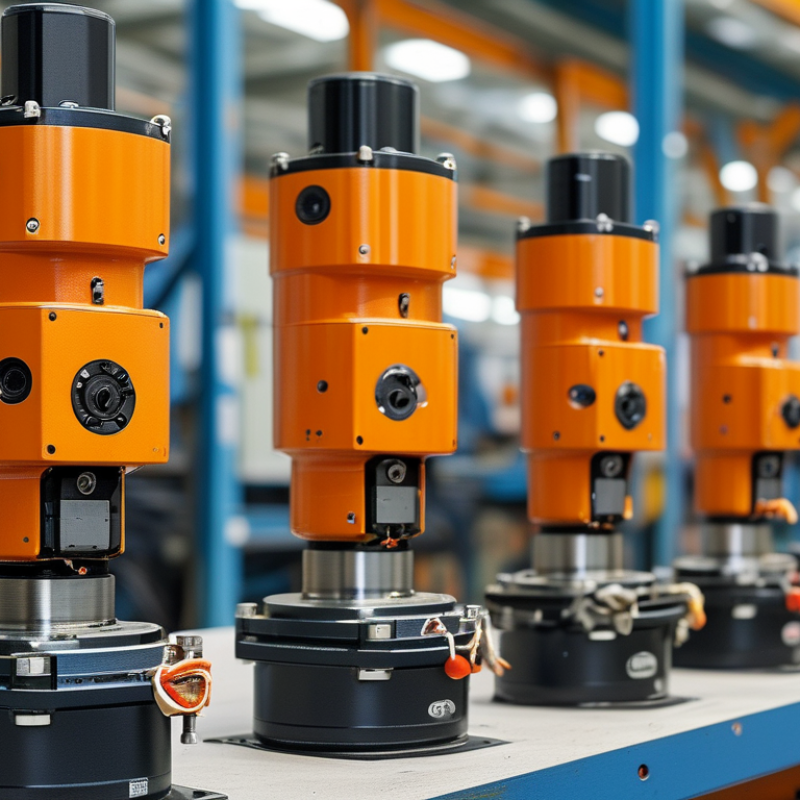
Top Tips for Choosing Bimba Rotary Actuator for Your Projects?

Understanding Bimba Rotary Actuators and Their Applications

When selecting a rotary actuator for your project, understanding its applications is key. Rotary actuators are essential in various industries, from automation to robotics. They convert energy into rotary motion, making them ideal for tasks like valve control or automated machinery. Consider the torque and speed requirements of your application. Different projects may demand varying levels of precision and power.

Let’s dive into some common applications. In automotive systems, rotary actuators help control positions of components, enhancing performance. In industrial automation, they manage the opening and closing of doors or conveyor systems efficiently. Understanding your specific needs helps ensure the actuator performs optimally.

However, choosing the right actuator requires careful consideration. Engineers should assess the environment in which the actuator will operate. Temperature, humidity, and potential contaminants can impact performance. A mismatch between the actuator and its environment could lead to failures, wasting time and resources. Testing and feedback during the prototyping phase can illuminate unanticipated challenges. Emphasizing reliability and suitability will lead to more successful outcomes in your engineering projects.

Key Factors to Consider When Selecting a Rotary Actuator

When choosing a rotary actuator, several key factors must be considered. One important aspect is the actuator's torque requirements. According to industry reports, selecting the correct torque rating can enhance performance and efficiency. Underestimating torque needs may lead to equipment failure. The right torque ensures that machinery operates smoothly and efficiently.

Another crucial factor is the actuator's response time. In high-speed applications, a faster response can significantly improve overall system efficiency. Data suggest that an actuator with a response time under 200 milliseconds can optimize operational speed. A slow actuator could hinder production rates or cause issues during critical processes.

Environmental conditions also cannot be overlooked. Actuators should be resistant to moisture, dust, and temperature extremes. Selecting an actuator suited for a specific environment is vital for longevity. Industry surveys show that actuators rated for harsh conditions last 30% longer than standard models. Be aware of the potential pitfalls in making assumptions about your project’s environment. Each variable plays a significant role in actuator performance. Careful evaluation is essential for long-term reliability.

Evaluating Torque and Speed Requirements for Your Project

When evaluating torque and speed requirements for your project, it's crucial to understand the specific demands of your application. Torque is the rotational force needed to move or control a load. Assessing the load's weight and any resistance encountered is essential for making informed decisions. Speed, on the other hand, refers to how quickly the actuator can complete its cycle. Different projects may require variations in speed depending on the task's urgency and efficiency.

To determine the appropriate torque, consider the overall movement path and the forces involved. For instance, high-torque applications might involve lifting heavy components or operating in challenging environments. Conversely, projects requiring lower torque can benefit from faster cycles, optimizing productivity. It’s also worthwhile to analyze if your application will encounter any unexpected resistance, which could impact performance.

In some cases, you might find the need to compromise between torque and speed. Striking the right balance is not always straightforward. Evaluate whether a higher speed with lower torque would suffice or if maximum torque is essential for effective operation. Revisiting these calculations periodically helps refine your choices and adapt to any changes in project requirements.

Torque and Speed Requirements for Rotary Actuators

Assessing Environmental Conditions for Actuator Performance

When selecting a rotary actuator, environmental conditions play a crucial role in performance. Factors such as temperature, humidity, and exposure to chemicals can significantly impact the actuator's reliability. Assessing these environmental elements early can prevent future issues.

Consider the actuator's material. A metal casing might withstand higher temperatures better than plastic. Ensure the actuator is rated for your specific conditions. Also, think about how dust or moisture could affect its functionality. Including protective covers might help enhance durability in harsh environments.

When evaluating actuator performance, check the IP rating. This rating indicates the actuator's resistance to dust and water. A higher rating means better protection. Additionally, consider vibration and shock resistance, especially for industrial uses. Choosing the right actuator depends heavily on understanding your environment. Take time to reflect on these factors before making a decision.

Comparing Different Bimba Rotary Actuator Models and Features

When selecting a rotary actuator, understanding the various models is crucial. Each model differs in design and functionality, catering to specific project needs. Some models prioritize speed, while others focus on torque. This can impact your project's efficiency and outcome. An actuator designed for high precision might not be suitable for applications requiring rapid movement.

Pay attention to the actuator's load capacity. Some models can handle heavier loads but may have limited speed. Weighing your project requirements against these specifications is essential. Consider the environment as well. Certain models are more robust, withstand harsh conditions better, and offer extended durability. Not all models excel in every scenario, so identifying the right fit is vital to maximize their potential.

It's important to remember that no single model stands out as the best in every situation. A rotary actuator may excel in one project but falter in another. Researching user reviews can provide insights into real-world performance. Engaging with experts can also clarify nuanced differences. Gathering information from various sources will help refine your decision-making process. The more informed you are, the better your project outcomes will be.

FAQS

: What is a rotary actuator?

: A rotary actuator converts energy into rotary motion for controlling tasks like valves and machinery.

How do I evaluate torque requirements?

Assess the load's weight and resistance to determine the necessary rotational force for your project.

Why is speed important in rotary actuators?

Speed determines how quickly the actuator can complete its cycle, affecting your project's efficiency.

What factors should I consider when choosing an actuator?

Consider torque, speed, load capacity, environment, and specific project needs to select the right actuator.

Can I compromise between torque and speed?

Yes, balancing torque and speed is sometimes necessary, but it’s essential to evaluate project requirements thoroughly.

How do environmental factors affect actuator performance?

Temperature, humidity, and contaminants can impact performance; choose an actuator suited for its working environment.

Are all actuator models suitable for every project?

No, models differ in speed and torque capabilities; select based on your project's specific demands.

What should I do during the prototyping phase?

Testing and gathering feedback can reveal unexpected challenges, helping improve project outcomes.

How can I ensure reliability in actuator selection?

Emphasize the actuator's suitability for your project and explore various models and expert advice.

How important is it to research actuator models?

Researching different models helps you understand their strengths and weaknesses, leading to better project decisions.

Conclusion

When selecting a Bimba Rotary Actuator for your projects, it is essential to gain a thorough understanding of their functionality and various applications. These actuators are commonly used in automation and robotics, making them versatile components in many industries. Key factors to consider include the specific torque and speed requirements of your application, as well as environmental conditions that might impact the actuator's performance.

Additionally, comparing different Bimba Rotary Actuator models and their features is crucial for ensuring the actuator aligns with your project's needs. By carefully evaluating these parameters, you can choose a rotary actuator that not only meets technical specifications but also enhances the overall efficiency and reliability of your project.

Madeline

Madeline

Madeline is a dedicated marketing professional with a wealth of expertise in our company's core offerings. With a keen understanding of the industry, she brings a unique perspective to her role, consistently delivering high-quality content that highlights the superior aspects of our products. As......