A Rotary Actuator 12v is a key component in many mechanical systems. Its primary function is to convert electrical energy into rotary motion. With the rise of automation, these actuators play a crucial role in various applications, from robotics to industrial machinery.
Understanding a Rotary Actuator 12v involves looking at its design and operation. Typically, it consists of a motor, gearbox, and output shaft. This combination allows for precise control of movement. Engineers often choose these actuators for their reliability and efficiency. However, it's essential to consider the limitations, such as torque capacity and speed. These factors can impact overall performance.
In real-world usage, selecting the right Rotary Actuator 12v can be challenging. Specific project requirements vary widely. Some applications may demand high precision, while others prioritize speed. Thus, knowledge of the actuator's capabilities is vital. Engaging with experts can help navigate these complexities and ensure the actuator meets your needs effectively.
What is a Rotary Actuator 12V?
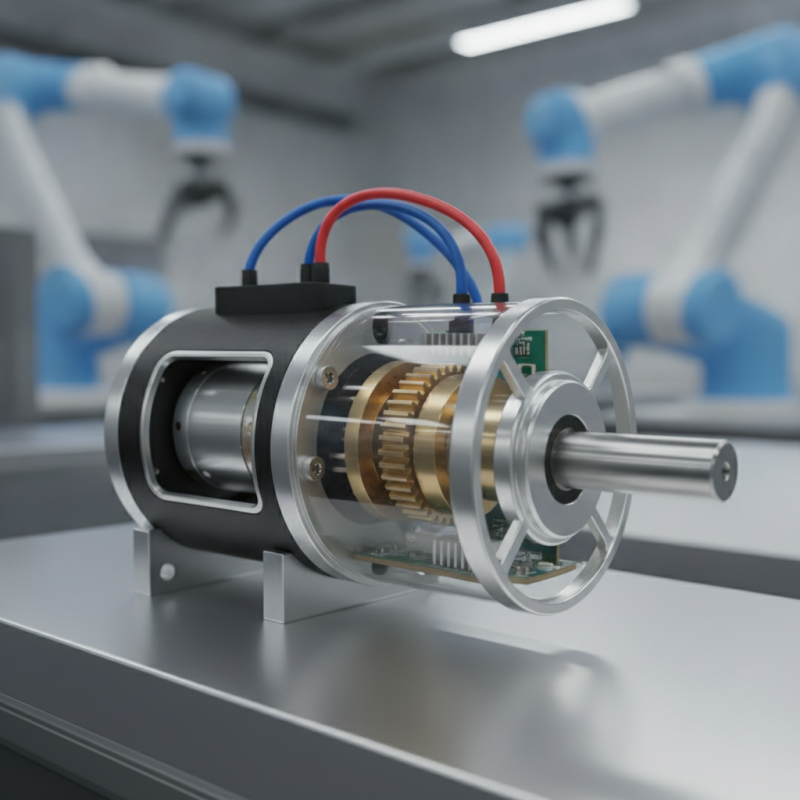
A rotary actuator 12V is a device that converts electrical energy into rotational motion. It plays a crucial role in various applications, from robotics to industrial machinery. The actuator operates using a 12-volt power supply, which is common in automotive and electronic devices. This power source allows for compact designs while maintaining robust functionality.
Inside a rotary actuator, a motor generates torque. This torque is then applied to a shaft, producing rotational movement. Depending on the design, the actuator may include gears for increased speed or greater force. Many rotary actuators also feature feedback systems. This ensures precise position control and enhances reliability.
Not all rotary actuators are equal. Some may struggle under heavy loads or in extreme conditions, revealing a critical area for improvement. Ensuring proper calibration and maintenance is vital for optimal performance. Users often overlook these aspects, leading to inefficiencies. When choosing a rotary actuator, consider the specific application needs thoroughly to avoid potential failures.
Rotary Actuator 12V Performance Comparison
This bar chart represents the performance metrics of a typical Rotary Actuator operating at 12V. The dimensions compared are Torque, Speed, Power, and Response Time, which are essential for understanding the capabilities and effectiveness of the actuator in various applications.
Common Applications of 12V Rotary Actuators
Rotary actuators are essential in various applications, especially in automation and industrial processes. A 12V rotary actuator is widely favored due to its compact size and efficient performance. These actuators offer precise control over angular motion, making them ideal for robotics, automotive systems, and industrial machinery.
In industrial automation, 12V rotary actuators are commonly used in valve control. They enable precise positioning of valves, leading to better process control. According to a report from the International Society of Automation, the demand for automated systems is projected to grow by over 20% in the next five years. This increase highlights the need for reliable actuators. Furthermore, they can be found in robotic arms. They help in performing intricate tasks like assembly, welding, and painting with remarkable accuracy.
In the automotive industry, these actuators play a crucial role in throttle control. They adjust engine parameters based on feedback, improving vehicle performance and fuel efficiency. A recent study noted that electric vehicles heavily rely on such actuators for their operational efficiency. However, challenges exist, such as ensuring durability in varied environmental conditions. An actuator's lifespan can be impacted by temperature fluctuations and mechanical stress. Addressing these issues is critical for enhancing actuator reliability.
How Rotary Actuators Operate: A Step-by-Step Guide
Rotary actuators are crucial components in various mechanical systems, converting electrical energy into rotational motion. A 12V rotary actuator, commonly used in robotics and automation, operates efficiently with a basic electrical supply. Its design typically includes a motor, gearbox, and feedback mechanism. The motor receives power from a 12V source, initiating movement via the gearbox that amplifies torque and reduces speed.
Understanding how these actuators work begins with the motor's activation. When power is applied, the motor rotates, turning the output shaft. The gearbox modifies this rotation to achieve desired output speeds and force. According to industry analysis, rotary actuators can provide torque levels ranging from as low as 5 Nm to over 300 Nm depending on the application needs.
Despite their utility, users often overlook the importance of torque specifications. Too much or too little torque can lead to operational inefficiencies. This might result in system failures or excess wear. Also, feedback mechanisms like encoders enhance accuracy but add complexity. In a study by the Robotics Industry Association, 70% of actuator-related failures stem from inaccurate torque applications. Therefore, understanding these elements is essential for optimized performance.
Advantages of Using 12V Rotary Actuators in Various Systems
Rotary actuators are essential components in various systems, especially those requiring precise mechanical motion. A 12V rotary actuator stands out due to its compact size and efficient power consumption. According to industry reports, these actuators are widely used in robotics, automotive, and industrial applications due to their ability to provide high torque in a small footprint. The 12V standard allows for optimal integration into systems where space and weight are critical factors.
One major advantage of 12V rotary actuators is their versatility. They can be easily integrated into battery-operated devices, enhancing mobility in applications like drones and automated vehicles. This adaptability is key in advancing technology in many sectors. In addition, a study by the International Journal of Robotics highlights that using smaller actuators can result in a weight reduction of up to 30% in mechanical systems. However, the challenge lies in balancing power and precision, as the compact design can sometimes limit torque output.
Another notable benefit is the reduced energy consumption. Many reports indicate that 12V actuators operate at high efficiency, minimizing heat generation and prolonging lifespan. However, there are potential drawbacks. For instance, lower voltage may limit speed in high-demand scenarios. Evaluating these actuators' performance in specific applications is crucial for optimizing functionality. Understanding these nuances can lead to better design choices and improved outcomes in mechanical systems.
Factors to Consider When Choosing a 12V Rotary Actuator
When choosing a 12V rotary actuator, several key factors play a critical role. One major consideration is the torque output. Torque directly affects the actuator's application. For instance, an actuator with insufficient torque may fail to perform tasks like lifting or rotating heavy loads. According to recent industry reports, torque capacities can vary dramatically, with some actuators reaching up to 200 Nm. This range highlights the importance of selecting the right actuator for your specific needs.
Another significant factor is the operating speed. Speed impacts the efficiency of your system. High-speed actuators can complete tasks quicker, but they may compromise precision. Balancing speed and accuracy is essential. Look for actuators that offer adjustable speeds, which allow fine-tuning for various applications. Research shows that a well-calibrated actuator can enhance overall system performance by up to 30%.
**Tip**: Don’t overlook the environmental factors. Consider the actuator’s material and IP ratings if it will be exposed to harsh conditions.
Finally, power consumption is crucial. An actuator with high power efficiency can reduce operational costs significantly. Aim for models with built-in energy-saving features. Proper attention to these details can yield long-term benefits and optimized performance.
What is a Rotary Actuator 12v and How Does It Work? - Factors to Consider When Choosing a 12V Rotary Actuator
| Parameter |
Description |
| Voltage |
12V DC |
| Type |
Electric Rotary Actuator |
| Torque Rating |
Up to 50 Nm |
| Speed |
10 to 30 RPM |
| Control Method |
PWM (Pulse Width Modulation) |
| Operating Temperature |
-10°C to 50°C |
| Gear Ratio |
1:10 to 1:50 |
| Weight |
1.5 to 4 kg |
| Applications |
Robotics, Automation, Valves Control |
FAQS
: Rotary actuators convert electrical energy into rotational motion, enabling various mechanical systems to operate effectively.
Torque specifications are critical. Too much or too little torque may cause inefficiencies, system failures, or excessive wear.
They are compact, energy-efficient, and versatile, making them ideal for applications like robotics and automated vehicles.
The gearbox modifies motor rotation to achieve the desired speed and force, enhancing the output effectiveness.
Consider torque output, operating speed, environmental conditions, and power consumption for optimal selection.
Yes, while they save space, compact designs can sometimes restrict torque output, affecting overall functionality.
Feedback mechanisms enhance accuracy in motion control but add complexity to the system setup.
High power efficiency lowers operational costs and can prolong the actuator's lifespan through reduced heat generation.
Yes, adjustable speeds allow for fine-tuning and can enhance performance by up to 30% in systems.
Lower voltage may limit speed in high-demand applications, affecting overall system responsiveness and efficiency.
Conclusion
A Rotary Actuator 12v is an electromechanical device that converts electrical energy into rotational movement, making it essential in various applications ranging from robotics to industrial automation. These actuators are particularly valued for their compact design and efficiency, operating at 12 volts, which makes them suitable for environments where space and power availability are limited.
The operation of a Rotary Actuator 12v can be broken down into a few key steps, including signal reception, motor function, and output motion. When selecting a 12v rotary actuator, important factors to consider include torque specifications, speed, and application requirements. The advantages of using these actuators include improved precision, reliability, and ease of integration into different systems, making them a popular choice in modern engineering solutions.

 Weitai Hydraulic