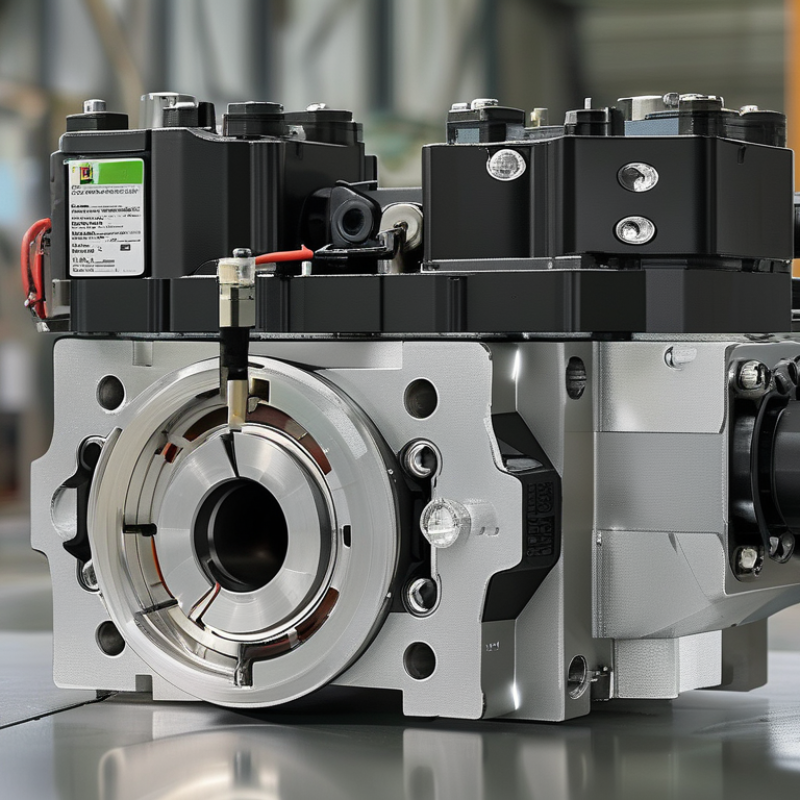
When selecting the ideal L30-42 Rotary Actuator, understanding its features is crucial. This actuator stands out for its efficiency and precision. The L30-42 model offers a blend of reliability and power, making it suitable for various applications. Consider its size and torque rating carefully.
Moreover, analyzing the actuator's build quality is important. Does it fit your project's needs? Examine customer reviews for insights. They often highlight performance issues or advantages you might overlook.
Choosing the right L30-42 Rotary Actuator requires careful thought. Evaluate all factors to avoid costly mistakes. A well-informed decision leads to successful results in your automation projects.
Understanding the Basics of L30-42 Rotary Actuators
Understanding the basics of L30-42 rotary actuators is crucial for making informed decisions. These actuators convert rotational motion into linear motion, enabling precise control in various applications. According to a recent industry report, the demand for such actuators is growing by over 8% annually, driven by advancements in automation technologies. This growth highlights the increasing reliance on efficient motion control systems across manufacturing sectors.
When selecting an L30-42 rotary actuator, examine parameters like torque, speed, and mounting configurations. Ensure the actuator can handle your specific load requirements. An improperly chosen actuator may lead to inefficiencies and increased operational costs. According to analysis from industry experts, nearly 20% of operational downtime can be traced to inadequate actuator performance during demanding tasks.
Tips: Always cross-check compatibility with existing systems. Even minor discrepancies can lead to performance gaps. Also, consider the actuator's environmental resilience. For instance, units exposed to dust or moisture will require higher protective ratings. Understanding these nuances makes a significant difference in long-term reliability. Keep an eye on future needs as well; flexibility in design can save costs later.
Key Specifications to Consider for L30-42 Selection
When choosing an L30-42 rotary actuator, it's crucial to focus on key specifications. Torque rating is one of the most significant factors. Generally, higher torque ratings correspond to increased load capacity. According to industry reports, torque varies between 0.5 Nm and 12 Nm for this range, influencing performance in various applications.
Speed is another critical specification. Typically, the rotational speed for L30-42 actuators ranges from 10 RPM to 60 RPM. This range affects not only the speed of operation but also the overall efficiency. Users often overlook this detail, leading to suboptimal performance. Proper understanding of speed can significantly enhance operational reliability.
**Tips:** Consider the duty cycle of the actuator to ensure it matches your application. Frequent operation may require a model designed for continuous use.
Another essential aspect is size and weight. Certain applications may demand a compact design. In contrast, heavier models might be suitable for industrial settings where space is not an issue. Misjudging weight can lead to installation difficulties or system failures.
**Tips:** Evaluate your mounting options before selecting a model. Your setup can dictate which actuator will be the most effective choice.
2026 How to Choose the Best L30-42 Rotary Actuator? - Key Specifications to Consider for L30-42 Selection
| Specification |
Description |
Value |
| Torque Output |
Indicates the maximum torque the actuator can deliver |
10 - 50 Nm |
| Rotation Angle |
The range of rotation the actuator can achieve |
0 - 360 degrees |
| Input Voltage |
The voltage required to operate the actuator |
24V DC |
| Weight |
The total weight of the actuator |
5.5 kg |
| Environmental Rating |
The level of protection against dust and water |
IP65 |
| Operating Temperature |
The temperature range in which the actuator can operate |
-20°C to +60°C |
Evaluating Performance Factors in Rotary Actuators
When choosing a rotary actuator, performance factors are crucial. Key parameters include torque, speed, and precision. An actuator's torque directly influences its ability to perform tasks. Higher torque means it can move heavier loads without effort. Speed must also be considered. If an actuator moves too quickly, it may lack the control needed for precise applications.
Precision in rotation is another performance factor. It affects how accurately the actuator positions objects. Over time, wear can affect precision. Regular assessments can help identify discrepancies in performance. This is a common issue that can go unnoticed until it's too late.
Additionally, environmental conditions play a role. Heat, moisture, and dust can impact actuators. High temperatures may lead to decreased performance. Moisture can cause rust and wear, affecting longevity. It's essential to evaluate these factors based on your application needs. Technical documentation can help assess how an actuator performs in various environments. But be mindful; specifications are not always indicative of real-world scenarios.
Comparing Key Brands and Models of L30-42 Rotary Actuators
When selecting the best L30-42 rotary actuator, it's crucial to compare key brands and models. According to industry data, the global market for rotary actuators is expected to reach $3.5 billion by 2026. This growth indicates a rising demand for reliable, high-performance models. Various brands offer diverse options that can cater to specific requirements, such as load capacity, speed, and torque flexibility.
Reliability is a significant factor in actuator selection. Reports suggest that around 25% of actuator failures are due to improper sizing or selection. Understanding the application's demands can help avoid costly mistakes. Each model comes with unique specifications. Some focus on precision, while others emphasize speed. Analyzing these characteristics is essential for long-term performance and efficiency.
In addition to technical specifications, cost should be a consideration. Some models may appear budget-friendly but result in higher maintenance costs over time. Industry professionals often stress the importance of assessing total cost of ownership. This includes energy consumption, service intervals, and potential downtime. Evaluating these aspects with a critical eye ensures a more informed decision. This approach leads to better long-term satisfaction and functionality.
Importance of Application Requirements in Choosing Actuators
Choosing the right rotary actuator, such as the L30-42 model, significantly hinges on specific application requirements. Understanding the environment and task is crucial. For instance, a design report from the International Society of Automation shows that nearly 75% of actuator failures can be traced back to misalignment with application needs. Hence, proper evaluation during the selection phase is vital.
When considering torque, speed, and load capacity, realistic specifications are necessary. A study by the Hydraulic Institute highlights that actuators undersized for applications can lead to early failures and maintenance crises. This indicates that overestimating requirements isn't always effective. Each parameter should be scrutinized.
Beyond performance, factors like temperature and dampness also matter. The American Society of Mechanical Engineers emphasizes that actuators exposed to extreme conditions require exceptional materials. These aspects prolong actuator life and reduce downtime. Often, overlooked details in environmental conditions can lead to unexpected failures, emphasizing the need for thorough research and consideration in the decision-making process.
FAQS
: They convert rotational motion into linear motion for precise control.
Inadequate performance can cause 20% of operational downtime, increasing costs.
Key factors include torque, speed, and mounting configurations for specific loads.
Actuators exposed to dust or moisture need higher protective ratings for reliability.
Proper sizing and selection based on the application's specific demands is crucial.
Assess total cost of ownership, including maintenance and energy consumption.
Focusing solely on initial purchase price without considering long-term costs.
Minor discrepancies can lead to performance gaps and inefficiencies in operation.
Flexibility can save costs as it accommodates future needs and changes.
No, each model has unique specifications focusing on different aspects like precision or speed.
Conclusion
The article "2026 How to Choose the Best L30-42 Rotary Actuator?" provides a comprehensive guide to selecting the optimal L30-42 rotary actuator for various applications. It begins by clarifying the essential principles behind L30-42 rotary actuators, emphasizing understanding their functionality and design. Readers are then guided through critical specifications to consider, including torque, speed, size, and mounting options, which are pivotal for ensuring compatibility with their specific needs.
Additionally, the article highlights performance factors that can influence the actuator's efficacy, such as durability and responsiveness. It encourages a comparative analysis of different models and brands, providing insights to help users make informed decisions. Ultimately, the importance of aligning the actuator's capabilities with the specific requirements of the application is underscored, ensuring users choose the best L30-42 rotary actuator for their operational needs.

 Weitai Hydraulic