When selecting the best Hollow Rotary Actuators, understanding your specific needs is vital. These devices play a crucial role in automation, robotics, and various machinery applications. The market offers many options, but not all are suitable for every situation. Evaluating factors such as torque, speed, and size is essential.
Hollow Rotary Actuators can simplify designs by allowing components to pass through the actuator's center. This feature saves space and enhances efficiency. However, choosing an actuator that aligns with your requirements can be challenging. Users often overlook certain specifications, leading to inefficiencies and operational issues.
Failing to consider the environment and load conditions can impact the actuator's performance. Each application is unique, making it necessary to critically assess your requirements. Make sure to explore various manufacturers and technologies to find the best fit for your applications.
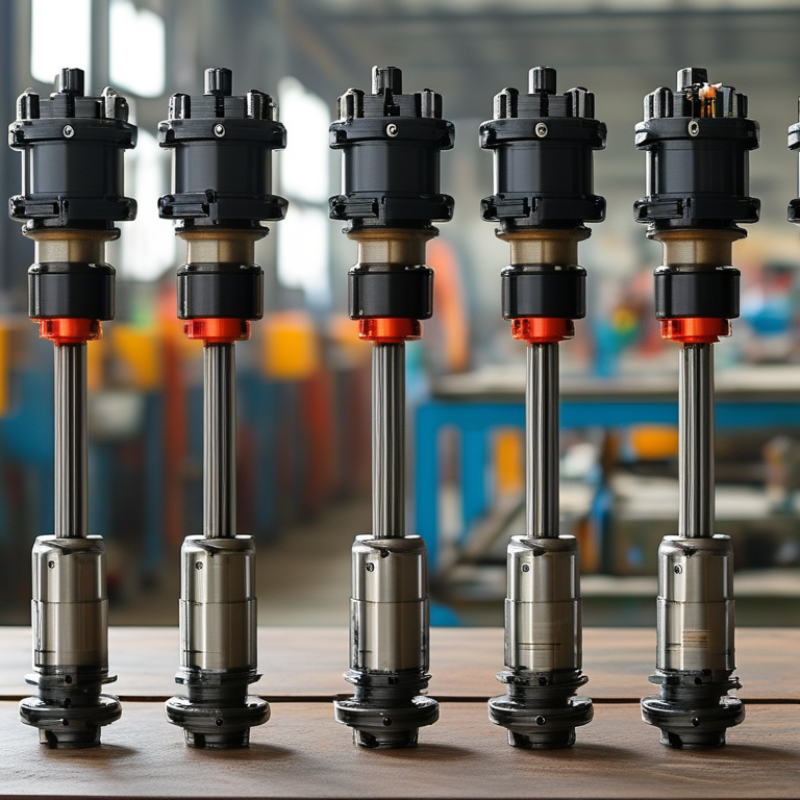
Understanding the Functionality of Hollow Rotary Actuators
Hollow rotary actuators serve a critical role in various industrial applications. They convert rotary motion into mechanical force without taking up additional space. These devices function effectively in robotics, automation systems, and aerospace engineering. Their design allows for smooth rotation and precise positioning, contributing to overall system efficiency.
Understanding the functionality of hollow rotary actuators requires knowledge of their components. They typically consist of a rotor, stator, and bearings. The rotor houses the output shaft and converts input energy into rotational motion. Meanwhile, the stator supports the rotor and helps minimize friction. In some instances, engineers may overlook the importance of proper sizing. An actuator too small may not handle the required torque, while one too large can affect system compactness.
Maintenance is another often overlooked aspect. These actuators require regular checks to ensure proper lubrication and alignment. Neglecting this can lead to performance degradation. Ultimately, selecting the right hollow rotary actuator hinges on understanding these intricate details and their operational context.
Key Factors to Consider When Selecting Hollow Rotary Actuators
When selecting hollow rotary actuators, several key factors demand careful consideration. One of the most important aspects is load capacity. It is essential to choose an actuator that can handle the specific load requirements of your application. A report from the International Society of Automation noted that improper load management can lead to mechanical failure, impacting the efficiency of the entire system.
Another crucial factor is the torque output. Understanding the required torque levels helps in selecting an actuator that meets performance demands without overstrain. The Rotary Motion report emphasizes that actuators with inadequate torque may cause delays and operational inefficiencies. Power consumption is also a significant consideration. High energy consumption can lead to increased operational costs over time.
Pay close attention to installation requirements. Some actuators are easier to install than others, which can significantly affect project timelines. It is also vital to assess the environmental conditions where the actuator will be utilized. Factors like temperature, humidity, and potential exposure to contaminants can impact actuator performance.
Consider reviewing technical specifications and consulting with experts when in doubt. Understanding your specific needs will guide you toward the right solution. Balancing these factors thoughtfully can ultimately lead to better performance and reliability in your applications.
Comparing Different Types of Hollow Rotary Actuators Available
When evaluating hollow rotary actuators, understanding various types is crucial. These actuators are classified into several categories, including electric, pneumatic, and hydraulic. Each type serves distinct applications and offers unique advantages. For instance, electric actuators are favored for precision tasks and are often seen in robotics and CNC machinery.
Pneumatic actuators, on the other hand, deliver rapid movements and high torque. Often found in manufacturing processes, they excel in environments where quick action is essential. According to a report from the International Federation of Robotics, the demand for pneumatic systems in automation has risen, indicating a shift towards speed and efficiency in production lines. However, they might not offer the same level of control as electric options, which is a point to consider.
Hydraulic actuators provide immense power, making them suitable for heavy-duty applications like construction machinery. Their ability to handle high loads makes them invaluable where force is critical. A recent study by the National Institute of Standards and Technology revealed that hydraulic systems have a higher energy consumption rate than electric systems, prompting users to reflect on efficiency versus performance in actuator selection. Understanding these nuances helps in making informed choices.
Assessing the Performance Specifications of Hollow Rotary Actuators
When assessing the performance specifications of hollow rotary actuators, consider several critical factors. These components typically vary in torque output, rotational speed, and operational lifespan. A recent report by the International Journal of Robotics states that torque ratings often range from 0.1 Nm to over 500 Nm, depending on the actuator size and type. For applications in robotics or automation, precise torque specifications ensure that the actuator meets the force requirements of the task at hand.
Another crucial specification is the rotational speed, measured in revolutions per minute (RPM). Many hollow rotary actuators provide speeds between 1 and 100 RPM. The choice of speed will largely depend on the application's requirements. For instance, rapid movements may benefit from higher speeds, while more delicate tasks should opt for slower, more controlled movements. It’s essential to weigh these factors against your specific needs, as choosing improperly may lead to inefficiencies or damage.
Longevity is also a vital aspect of actuator performance. Manufacturers frequently provide lifespan estimates in cycles or hours of operation. Typically, a well-designed actuator may last anywhere from 5,000 to 10,000 hours. However, real-world performance can differ based on usage conditions. Environmental factors, load conditions, and maintenance practices can affect longevity. Buyers should remain vigilant and consider both specifications and real-world performance reviews when making a decision.
Performance Comparison of Hollow Rotary Actuators
Evaluating Costs and Budget Constraints for Optimal Actuator Selection
When selecting hollow rotary actuators, costs are crucial. According to a recent industry report, over 40% of companies face budget limitations during equipment procurement. Therefore, understanding your budget is key. Higher quality actuators may come with a heftier price tag, but they often provide better performance and longevity. A mid-range actuator might cost around $3,000, while premium models can exceed $10,000.
Cost evaluation should include both initial investment and long-term expenses. A less expensive actuator may require more frequent replacements or repairs. This could lead to higher operational costs over time. Research suggests that savings from cheaper models tend to diminish within two years due to maintenance. Balancing short-term expenditures with potential long-term benefits can be challenging.
Another aspect to consider is the total cost of ownership (TCO). This factor goes beyond purchase price. A model’s energy efficiency, maintenance frequency, and operational downtime all play significant roles. The TCO can vary widely across different actuators. Ultimately, a thorough understanding of costs informs better decision-making. An informed choice leads to reliable performance, enhancing overall productivity. Being cautious and reflective about budget constraints can prevent future regrets.
FAQS
: The primary types include electric, pneumatic, and hydraulic actuators. Each type has specific uses.
Electric actuators are precise and ideal for tasks in robotics and CNC machinery.
Pneumatic actuators offer rapid movement and high torque. They excel in fast-paced environments.
Hydraulic actuators provide strong power. They are best for heavy-duty applications like construction.
Many companies face budget constraints. It’s essential to understand both initial and long-term costs.
Cheaper actuators may need frequent repairs, raising costs over time. Reflect on savings versus expenses.
TCO includes purchase price, energy efficiency, maintenance, and operational downtime. It's crucial for smart choice.
Finding this balance can prevent regrets later and ensure reliable performance in the future.
While high power is important, energy consumption varies. Reflecting on efficiency can lead to better decisions.
Thoughtful evaluation helps avoid mistakes. It ensures that you choose the right actuator for your needs.
Conclusion
When selecting the best Hollow Rotary Actuators for your specific needs, it is essential to first understand their functionality and how they can be applied in your projects. Key factors to consider include the type of motion required, environmental conditions, and the actuator's torque capabilities. A careful comparison of the different types of Hollow Rotary Actuators available in the market will help you identify those that align with your requirements.
Additionally, assessing the performance specifications and evaluating costs will enable you to make an informed decision while staying within budget constraints. By taking into account these critical considerations, you'll be better equipped to choose Hollow Rotary Actuators that not only meet your performance needs but also fit your financial parameters.

 Weitai Hydraulic