Choosing the right Rotary Actuators 12v can be challenging. With various options available, understanding your specific needs is crucial. These actuators are vital in many applications, from robotics to automation. They provide essential movement and control.
When selecting Rotary Actuators 12v, consider factors like torque, speed, and size. Each application may demand different specifications. Researching these aspects will ensure you make an informed choice. Pay attention to the actuator's durability as well. High-quality materials enhance reliability.
Evaluating supplier reputation is another essential step. Look for established brands with positive reviews. It reflects their expertise and commitment to quality. A poor choice could lead to operational failures. So, gather enough information before making your decision. Recognize that even experienced users can overlook critical details, underscoring the need for thorough evaluation.
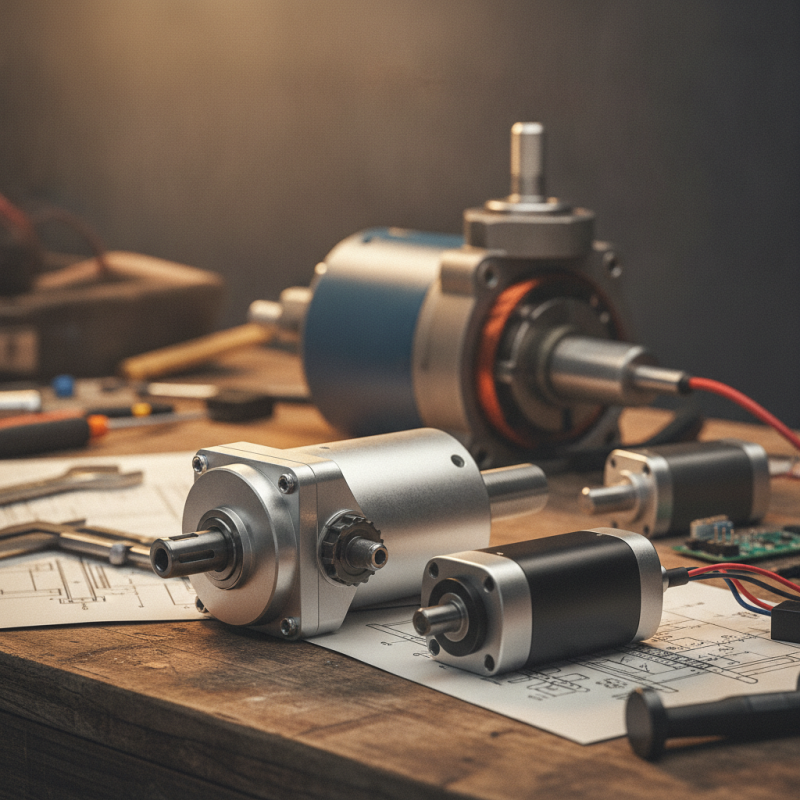
When considering 12v rotary actuators, it's essential to grasp their fundamental features. These devices convert electrical energy into rotational motion, making them invaluable for various applications. They are commonly found in robotics, automation, and even in hobby projects. The simplicity of their operation belies the complexity in choosing the right model to suit specific needs.
Understanding torque and speed ratings is crucial. Torque indicates how much rotational force the actuator can apply. Speed, on the other hand, defines how quickly it can perform its task. Finding the right balance between these parameters is vital for efficiency. Consider your application. Will it require high torque for heavy loads or fast speeds for quick adjustments? This decision impacts performance and effectiveness. Many users underestimate the need for precise specifications, which can lead to underwhelming results.
In addition, the physical dimensions of the actuator must fit your design. Space constraints can limit your options significantly. Additionally, evaluate the mounting requirements. Compatibility ensures proper functionality. Users often face challenges in these areas. They realize too late that their chosen actuator does not fit the intended space. Attention to these details can save time and effort in the long run. Always reflect on your specific use case to make informed choices.
When selecting the right 12v rotary actuators, understanding your specific applications and requirements is crucial. Consider the environment where the actuator will be used. Will it face extreme temperatures or exposure to moisture? Different actuators have different tolerances. Identifying the precise conditions can save you from costly replacements.
Think about the range of motion you need. Some applications require high precision, while others may need more flexibility. The torque is another critical factor. A greater torque allows for handling heavier loads. Yet, too much torque in lighter applications can lead to mechanical failures.
Assess the installation constraints as well. Some projects demand more compact units while others can accommodate larger sizes. Reflect on power consumption as well—you may want an efficient model if energy costs are a concern. Actuator technology has advanced, but not all options will fit every need. Prior research can help avoid common pitfalls.
When selecting the right 12V rotary actuators, several key features warrant attention. First, consider the torque requirements. The actuator must generate sufficient torque for your specific application. Higher torque ratings often mean more power and efficiency. Look at the actuator's load capacity. It should meet the demands of your project without risk of failure.
Speed is another critical factor. Evaluate how fast the actuator can operate. For applications needing quick responses, higher speed ratings are beneficial. Additionally, durability is essential. Examine the materials used in construction. Robust materials can significantly extend the actuator's lifespan. Given their rigorous use in various environments, ensuring high resilience can save costs in the long run.
Another area to reflect on is control options. Different actuators come with various control systems. Understanding how the actuator integrates with your existing system is vital. This choice can impact response times and precision. Remember, assessing these features not only helps in choosing the right actuator but also in optimizing your overall project outcomes. Careful consideration can lead to efficient operations.
When considering 12v rotary actuators, it’s crucial to understand the different types available on the market. The most common types include DC motors, stepper motors, and servo motors. Each type has distinct characteristics suited to various tasks. For example, DC motors are known for their simplicity and ease of control, while stepper motors provide high precision. In contrast, servo motors offer enhanced performance in dynamic applications, making them ideal for robotics and automation.
Choosing the right actuator depends on your specific requirements. Consider the torque needed for your application. Data from the Actuator Industry Association indicates that the required torque can vary widely, from as little as 2 Nm to over 100 Nm for industrial applications. This variation underscores the importance of matching actuator specifications to your project needs.
Tips: Always assess the load and speed parameters before making a decision. Evaluate how the actuator will integrate with your existing systems. Keep in mind that some applications may require more than just straightforward actuation—watch out for complexities in system dynamics. A well-chosen actuator not only meets immediate needs but can also enhance overall system reliability.
When selecting a 12v rotary actuator, quality and brand reputation matter. A reliable actuator should withstand daily use. Look for manufacturers with a solid track record. Ensure they offer warranties and customer support. This reflects their confidence in the product.
Tips: Read reviews from experienced users. Their feedback provides real-world insights into performance. Consider the manufacturer's history. Established brands often provide dependable products. Don’t ignore cheaper options, but vet them carefully.
Additionally, specifications are critical. Evaluate torque ratings and speed. Compare these features across different brands. A mismatch can lead to frustration in your projects. It’s essential to choose wisely. Even reputable brands may have some poorly reviewed models. Always double-check performance records before making a decision.
| Dimension | Specification | Application | Load Capacity (Nm) | Speed (RPM) | IP Rating |
|---|---|---|---|---|---|
| Compact | High Torque | Robotics | 3.5 | 30 | IP54 |
| Standard | Medium Torque | Automotive | 5.0 | 45 | IP65 |
| Heavy Duty | High Speed | Industrial | 10.0 | 60 | IP67 |
| Micro | Low Torque | Aerospace | 1.0 | 20 | IP54 |
: Understand your applications. Think about temperature and moisture exposure. Identify conditions to avoid costly replacements.
Higher torque handles heavier loads. Too much torque can damage lighter applications. Balance is essential for success.
Yes, common types include DC motors, stepper motors, and servo motors. Each type serves different tasks.
Stepper motors provide high precision for tasks requiring detailed movement. They excel in specific applications.
Consider the size of the actuator required. Some applications need compact units while others allow larger sizes.
Energy efficiency can reduce costs. If energy expenses concern you, choose a model that conserves power effectively.
Avoid matching actuator specs hastily. Research the load and speed requirements thoroughly before deciding.
Yes, a suitable actuator can improve overall performance and reliability. Reflect on your needs to achieve the best outcome.
Absolutely. Application complexities may arise. Ensuring compatibility is vital to prevent future issues.
Torque requirements vary widely, from 2 Nm to over 100 Nm. Matching specs can lead to better performance.
When selecting the best Rotary Actuators 12v for your specific needs, it is crucial to first understand the basic principles of these devices. Rotary actuators convert electrical energy into rotational movement, making them essential in various applications ranging from automation to robotics. Identifying your specific applications and requirements will help streamline the selection process, ensuring that you choose an actuator that meets your operational demands.
Key features to consider include torque capacity, speed, and control capabilities. It's also important to compare different types of Rotary Actuators 12v, as each type may offer unique advantages depending on your requirements. Finally, evaluating the quality and reputation of the manufacturers in the market can provide insights into the reliability and performance of the actuators, helping you make an informed decision for your projects.