2026 Best Rotary Actuators for Global Buyers?

Time:2026-09-20 Author:Sienna
0%

Choosing the right Rotary Actuators in 2026 requires more than comparing torque ratings and catalog prices. Global buyers need dependable motion, clear documentation, and suppliers who understand real operating conditions. A compact actuator on a packaging line may face thousands of cycles daily, while one used outdoors may endure dust, moisture, and sudden temperature changes.

This guide examines leading actuator options for international purchasing teams, equipment builders, and maintenance professionals. It considers torque, rotation angle, speed, repeatability, duty cycle, mounting space, control compatibility, and expected service life. It also reviews pneumatic, electric, and hydraulic designs, because each technology solves different engineering problems. The best choice depends on the application, not the product photograph.

Supplier reliability matters just as much. Buyers should examine test reports, material specifications, warranty terms, spare-part access, and technical support response times. Current regional requirements should also be verified with qualified professionals before procurement. Standards and certifications can vary by market. A familiar logo is not proof of complete suitability.

No universal winner exists. A lower-cost actuator may perform well in a clean factory but fail early under abrasive dust. A premium model may offer excellent control but exceed a smaller machine’s practical needs. This is where careful comparison becomes valuable. Some product data can look impressive yet omit cycle conditions or installation limits. We will question those gaps and highlight the compromises behind each recommendation. Expect practical guidance, not a perfect ranking.
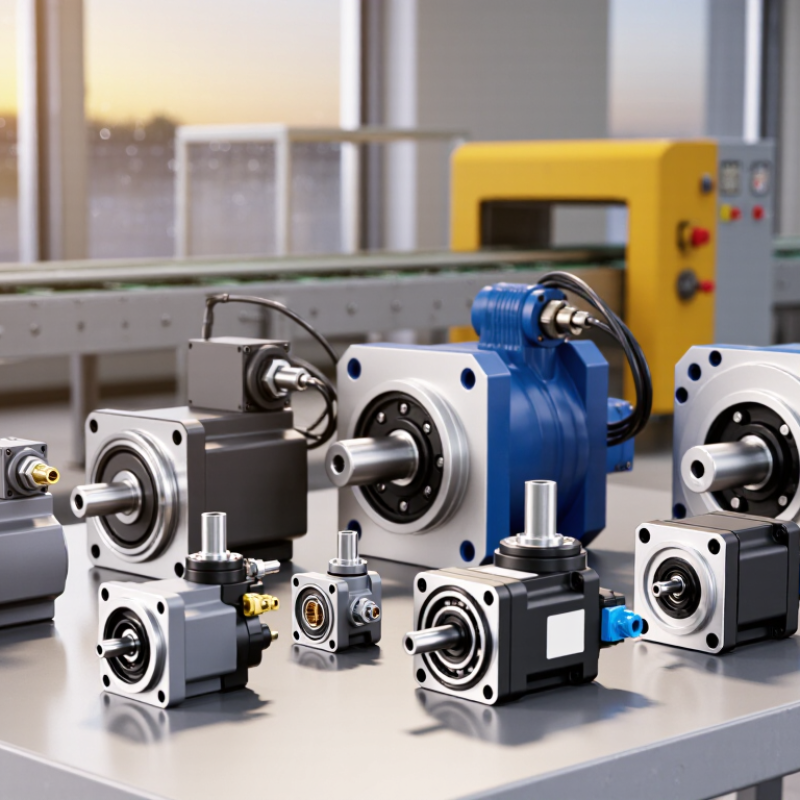
2026 Best Rotary Actuators for Global Buyers?

Rotary Actuator Types: Pneumatic, Hydraulic, Electric, and Rotary Torque Ranges

Rotary actuators convert pressure or electrical energy into controlled angular motion. Selection starts with torque, cycle speed, duty cycle, and environmental exposure. Pneumatic actuators suit fast quarter-turn operations, including dampers and process valves. Common output ranges run from about 5 to 4,000 Nm. They need clean, reliable compressed air.

Hydraulic actuators deliver much higher torque, often from 100 to over 100,000 Nm. They fit heavy valves, mobile equipment, and demanding industrial mechanisms. Electric actuators provide precise positioning, feedback, and easier control integration. Typical catalog ranges span roughly 1 to 10,000 Nm, although actual limits vary by gearbox and duty rating. These figures are practical ranges, not universal rules.

Market evidence supports continued automation investment. Grand View Research reported a projected 6.6% CAGR for the pneumatic actuator market through 2030. The International Federation of Robotics recorded 541,302 industrial robot installations in 2023. That growth increases demand for compact and accurately controlled rotary motion. In commissioning work, I treat catalog torque as a starting point. That assumption fails. Valve friction, cold temperatures, and pressure spikes can change sizing quickly. Buyers should request breakaway torque, running torque, cycle data, and safety factors. Check enclosure protection carefully. Real installations punish vague specifications.

Performance Benchmarks: Torque, Speed, Duty Cycle, and ±0.1° Positioning Accuracy

For global buyers, the best rotary actuator is not the one with the largest headline torque. It is the one that maintains torque, speed, and accuracy under real operating conditions. Check continuous torque at the required speed, then compare peak torque for short acceleration events. A bench test should use the actual load inertia, coupling, and mounting orientation.

Numbers need context. Speed ratings often describe no-load performance. Under a 12-kilogram load, friction and acceleration can reduce speed sharply. Duty cycle matters just as much. An actuator running for 40 seconds every minute may overheat, even when its peak torque appears sufficient. Record housing temperature, cycle time, and recovery time during testing. Heat changes everything.

For ±0.1° positioning, ask whether the specification means accuracy, repeatability, or resolution. These are different measurements. Backlash, encoder quality, gearbox elasticity, and load disturbance can all affect the final angle. A practical test can command positions at 0°, 45°, 90°, and 180°, using both clockwise and counterclockwise approaches. Repeat each target at least ten times, then calculate the largest error. The result may expose an uncomfortable gap between the brochure claim and field performance. Sealing, connector protection, and service access also deserve attention when equipment crosses climates, dusty factories, or long maintenance intervals.

2026 Best Rotary Actuators for Global Buyers? - Performance Benchmarks: Torque, Speed, Duty Cycle, and ±0.1° Positioning Accuracy

Benchmark Class Rated Torque
(N·m)
Peak Torque
(N·m)
Maximum Speed
(rpm)
Continuous Duty
(%)
Positioning Accuracy
(°)
Repeatability
(°)
Backlash
(arc-min)
Typical Duty Cycle Feedback Type Ingress Protection Typical Applications
Compact Servo Rotary Actuator 2–8 6–20 300–600 100 ±0.05–0.10 ±0.02–0.05 ≤5 S1 / S3 17-bit encoder IP54–IP65 Assembly, indexing, inspection fixtures
High-Speed Servo Rotary Actuator 4–15 12–35 800–1,500 80–100 ±0.05–0.10 ±0.02–0.05 ≤6 S3 / intermittent 17–23-bit encoder IP40–IP65 Packaging, pick-and-place, fast indexing
High-Torque Gear-Reduced Actuator 20–100 60–250 30–150 70–100 ±0.08–0.10 ±0.03–0.08 ≤8 S1 / S3 Absolute encoder IP54–IP67 Robotics, valves, heavy indexing tables
Harmonic-Drive Precision Actuator 10–200 25–500 30–250 50–100 ±0.03–0.10 ±0.01–0.03 ≤1 S3 / controlled 20–23-bit encoder IP40–IP65 Robot joints, wafer handling, precision stages
Direct-Drive Torque Actuator 15–300 30–600 20–300 100 ±0.02–0.10 ±0.01–0.03 Near-zero S1 / continuous 20–24-bit encoder IP40–IP65 Rotary tables, antennas, gimbals, test systems
Washdown / Outdoor Servo Actuator 8–80 20–180 60–500 80–100 ±0.05–0.10 ±0.02–0.05 ≤6 S1 / S3 Absolute encoder IP65–IP69K Food processing, outdoor automation, washdown lines
Benchmark notes: Values are representative 2026 market ranges for electric rotary actuators and are intended for preliminary comparison. Actual performance depends on motor size, reduction ratio, load inertia, mounting stiffness, ambient temperature, controller tuning, and measurement conditions. Positioning accuracy of ±0.1° generally requires a closed-loop servo system, calibrated feedback, and operation within the specified load and speed limits. S1 indicates continuous-duty operation; S3 indicates intermittent periodic duty.

Global Standards: ISO 5211 Mounting, IP Ratings, and ATEX Compliance

2026 Best Rotary Actuators for Global Buyers?

For global projects, standards often matter more than catalog torque. ISO 5211 defines the mounting interface between an actuator and a valve. It does not confirm correct torque, travel speed, or control quality. Buyers should match flange dimensions, drive shape, and shaft height before ordering. A small mismatch can create difficult field modifications.

ISO 5211 ISO 5211 defines the mounting interface between an actuator and a valve. It does not confirm correct torque, travel speed, or control quality. Buyers should match flange dimensions, drive shape, and shaft height before ordering. A small mismatch can create difficult field modifications.

IP Ratings IP ratings describe protection against dust and water under defined test conditions. An IP67 enclosure may survive temporary immersion, but it may not resist salt spray, condensation, or repeated thermal cycling. Ask for test documentation, cable entry details, and sealing instructions. On an outdoor skid, unused entries need proper plugs. Otherwise, the rating can weaken during installation. This is where practical experience matters.

ATEX compliance ATEX compliance requires closer review in potentially explosive atmospheres. Check the equipment marking, protection method, temperature class, and permitted zone. The actuator, solenoid, switches, and cable glands must suit the complete installation. Documentation should include declarations, certificates, operating limits, and maintenance requirements. Regional acceptance can still vary, so confirm the project’s local authority expectations.

Standards are useful, but they are not magic. ISO 5211 will not fix poor alignment, and an IP label will not replace maintenance. Some specifications look complete until humidity, vibration, or incorrect wiring exposes the gaps.

Total Cost Analysis: Energy Use, Service Life, and 2026 Ownership Costs

Choosing a rotary actuator in 2026 requires more than comparing purchase prices. In field audits, energy use often becomes the largest operating expense. Electric units may draw power only during movement, while pneumatic systems can consume air continuously through leaks. Hydraulic systems may offer high torque, but pumps and heat management add costs. Measure cycles per hour, load variation, standby time, and local electricity rates before calculating annual consumption. Small leaks hurt.

Service life also changes the ownership equation. Review cycle ratings, seal materials, bearing protection, and operating temperature limits. A unit running beside dust, wash water, or abrasive particles may need earlier maintenance than laboratory figures suggest. Inspecting shafts and mounting points every few months can reveal misalignment before it damages internal parts. That matters. A lower-priced actuator can become expensive after repeated seal replacement, emergency labor, and production delays.

For 2026 budgeting, include installation, control integration, spare units, technician hours, shipping, and disposal. Ask for maintenance intervals and realistic warranty conditions, not only ideal test results. A practical model should compare total cost over five to ten years, using the expected duty cycle. However, forecasts remain imperfect. Energy prices change, and operators may use equipment differently than planned. Leave a contingency for downtime and unplanned repairs. The cheapest spreadsheet result is not always the safest purchasing decision.

2026 Best Rotary Actuators for Global Buyers: Total Cost Analysis

Estimated 10-year ownership cost for comparable industrial rotary actuator systems.

Benchmark basis: 2 kN·m output torque, 90° motion, 20 cycles per hour, 4,000 operating hours per year, 10-year service life, and electricity priced at US$0.12/kWh. Costs are estimated in 2026 US dollars and include initial purchase, energy, and routine service.

Buyer Selection Matrix: Load, Environment, Control Protocol, and Supplier Data

2026 Best Rotary Actuators for Global Buyers?

Buyer Selection Matrix: Load, Environment, Control Protocol, and Supplier Data

A practical selection matrix starts with the real load, not the catalog headline. Record torque, speed, acceleration, shaft orientation, and duty cycle. Include starting torque and unexpected resistance. These values often exceed steady operating loads.

Next, match the actuator to its environment. Check enclosure protection, temperature range, humidity, dust, vibration, and chemical exposure. A washdown area needs different sealing than a clean indoor machine. Do not rely on “industrial grade” alone. Ask for test conditions and certification records.

Control compatibility can prevent expensive redesigns. Confirm voltage, feedback type, communication protocol, resolution, and response time. Verify whether the actuator supports your controller’s data format. Then examine supplier evidence: load curves, life-test results, calibration methods, traceability, spare-part availability, and realistic delivery times. Request samples of inspection reports. Good suppliers explain limitations clearly.

The matrix is useful, but imperfect. Datasheets may omit short overloads or installation errors. Prototype testing remains necessary. Run the actuator through the harshest expected cycle, including cold starts and emergency stops. Compare at least three qualified suppliers using identical criteria. Price matters, but unstable feedback or weak documentation can cost more later. A careful buyer records every assumption, including the ones that feel obvious.

FAQS

How should buyers compare rotary actuator torque ratings?

Check continuous torque at the required operating speed. Peak torque only describes short acceleration events. Test the actuator with the actual load inertia, coupling, and mounting orientation. The largest torque number may not be the best choice.

Why can actual speed be lower than the published rating?

Speed ratings often describe no-load performance. A 12-kilogram load can increase friction and reduce acceleration. Measure cycle time under real conditions. Catalog figures need context.

How does duty cycle affect actuator selection?

An actuator running for 40 seconds every minute may overheat. Peak torque alone cannot predict safe operation. Record housing temperature, cycle time, and recovery time. Heat changes everything.

How can buyers test ±0.1° positioning performance?

Confirm whether ±0.1° means accuracy, repeatability, or resolution. These measurements are different. Command positions at 0°, 45°, 90°, and 180°. Approach each position clockwise and counterclockwise. Repeat every target at least ten times.

What can cause poor final positioning accuracy?

Backlash, encoder quality, gearbox elasticity, and load disturbance can shift the final angle. Calculate the largest measured error. The result may reveal an uncomfortable gap between the stated specification and field performance. No test is perfect.

What should buyers verify before using an ISO 5211 mounting interface?

Match the flange dimensions, drive shape, and shaft height before ordering. The interface does not confirm torque, speed, or control quality. A small mismatch can require difficult field modifications. Alignment still matters.

Does an IP67 rating guarantee protection in every outdoor environment?

No. IP67 may indicate temporary immersion resistance under defined test conditions. It may not cover salt spray, condensation, or repeated thermal cycling. Review test documents, cable entries, and sealing instructions. Use proper plugs for unused entries.

What documents matter for equipment used in potentially explosive atmospheres?

Check the equipment marking, protection method, temperature class, and permitted zone. The actuator, switches, solenoid, and cable glands must suit the complete installation. Request declarations, certificates, operating limits, and maintenance requirements. Local acceptance can still vary.

Conclusion

Choosing the best Rotary Actuators for global buyers in 2026 requires a balanced evaluation of application needs, operating conditions, and long-term value. Pneumatic, hydraulic, and electric models each offer different advantages across torque ranges, speed requirements, duty cycles, and control complexity. Buyers should compare measured torque performance, response speed, durability, and positioning accuracy, especially when applications require precision of approximately ±0.1°.

Global compatibility is equally important. ISO 5211 mounting, suitable IP ratings, and ATEX compliance can help ensure reliable integration in different environments and industries. A complete total cost analysis should include energy consumption, installation, maintenance, expected service life, and projected ownership costs through 2026. The final selection should use a clear matrix covering load, temperature, moisture, hazardous-area requirements, control protocols, and the quality of supplier-provided technical data. This structured approach helps buyers identify a dependable actuator solution without focusing only on initial purchase price.

Sienna

Sienna

Sienna is a skilled marketing professional with a deep expertise in our company’s core products and services. With a passion for innovation and detail, she plays a pivotal role in crafting insightful blog posts that not only highlight the unique features of our offerings but also provide valuable......