In the evolving field of automation, selecting the right components is crucial. Micro Rotary Actuators are particularly significant for precision tasks. Experts, like Dr. Emily Carter, highlight their importance: "Micro Rotary Actuators are vital for achieving high efficiency in compact designs." These devices offer a small size while delivering excellent performance.
Choosing the best Micro Rotary Actuator requires understanding your specific needs. Consider factors such as torque requirements, speed, and control mechanisms. Not all applications demand high-end models; sometimes, simpler solutions work best. Evaluating various options may reveal that a lower-cost actuator meets your needs more effectively.
Yet, the industry is not without its challenges. There can be confusion over specifications and compatibility. Not every actuator is a perfect fit for every task. Reflect on your requirements and the actuator’s capabilities. Finding the ideal Micro Rotary Actuator might take time, but the right choice will enhance overall performance and reliability in automation systems.
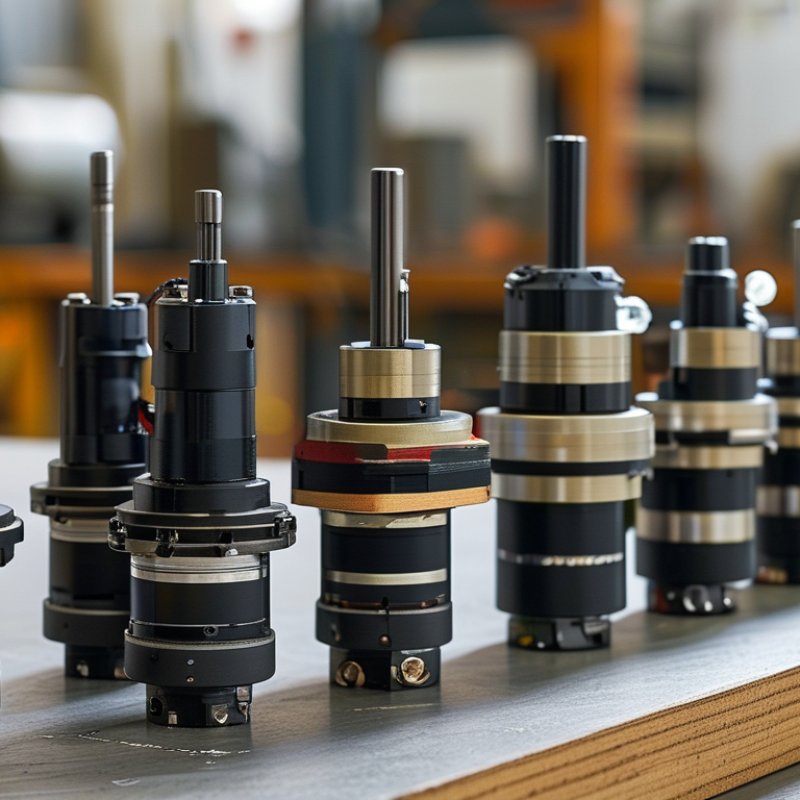
Micro rotary actuators are compact devices that provide rotational motion for various applications. They are crucial in fields like robotics, manufacturing, and medical devices. These actuators convert electrical energy into precise movement. Users often appreciate their ability to fit into tight spaces. Although they offer many advantages, choosing the right actuator requires careful consideration.
Tips: When selecting a micro rotary actuator, evaluate the torque and speed requirements of your application. Small differences can have large impacts on performance.
Applications vary widely. In robotics, these actuators enable joints to move smoothly. In medical devices, they assist in precise dose dispensing. However, the small size can also limit torque output. It’s important to assess the load conditions accurately. Overloading can lead to actuator failure.
Tips: Always refer to the manufacturer's specifications when assessing load capacities. This will help avoid unexpected breakdowns.
Micro rotary actuators are indispensable in automation. Understanding their functions and limitations is key to leveraging their full potential. Careful consideration during selection ensures they meet the specific needs of your project.
When selecting a micro rotary actuator, several key features deserve attention. Size and weight are critical. These actuators are often used in tight spaces. A compact design ensures they fit well in various applications. Look for options that allow for high torque in a small footprint. It’s essential to balance size with performance.
Speed and precision are also vital factors. Depending on your automation needs, you might require actuators that respond quickly. Some applications demand high accuracy in positioning. Consider the control options available. Digital interfaces may enhance performance and integration. It’s crucial to verify how the actuator's speed and precision align with your specific tasks.
Additionally, the actuator's durability and environmental resistance cannot be overlooked. Applications may expose rotary actuators to dust, moisture, or extreme temperatures. Choosing a model designed to withstand such conditions can prevent failures. Users often reflect on their choices when faced with unexpected breakdowns. The right actuator should address both current needs and future challenges.
When it comes to choosing micro rotary actuators, the market offers a variety of options. Many models stand out due to their precision and reliability. In automation, these small devices play a crucial role in controlling motions. Their compact size makes them ideal for space-constrained applications. However, not all brands perform equally.
Some popular models include those that provide high torque while maintaining low power consumption. They can operate in tough environments, which is essential for industrial applications. It's important to evaluate their specifications carefully. Factors like rotation range, speed, and response time significantly affect performance. A model that excels in one area might compromise in another, such as durability or cost.
Users often have mixed experiences with different brands. Customer reviews highlight both satisfaction and frustration. Choosing the right micro rotary actuator requires consideration of specific project needs. It's advisable to consult with experts or utilize community feedback. Enhancing automation efficiency often depends on this selection process.
Micro rotary actuators are essential in automation. They deliver precise control across various applications. Performance can vary significantly based on the scenario. For example, in robotic arms, the torque requirements differ from those needed in automated assembly lines.
Research indicates that actuators can have torque outputs ranging from 0.5 Nm to over 10 Nm. In high-speed applications, a faster response time is critical. However, selecting an actuator for a slow, stable application may lead to over-engineering. This can increase costs unnecessarily.
Understanding the environment also matters. High temperatures and dust can impact performance. A study by the International Society of Automation highlights that 20% of failures in automated systems arise from unsuitable component choices. Keeping this in mind, evaluating each scenario's specific needs will ensure better outcomes. Each project warrants a fresh analysis. Rushing this step can lead to costly mistakes.
| Actuator Type | Torque (Nm) | Speed (RPM) | Weight (g) | Power Supply (V) | Continuous Duty Cycle (%) | Application Suitability |
|---|---|---|---|---|---|---|
| Standard Micro Servo | 1.5 | 180 | 50 | 6 | 60 | Robotics, Model Kits |
| 24V DC Motor | 2.0 | 150 | 100 | 24 | 80 | Automated Assembly |
| Gear Motor | 3.0 | 100 | 150 | 12 | 90 | Conveyor Systems |
| Piezoelectric Actuator | 0.5 | 300 | 30 | 100 | 40 | Medical Devices |
| Stepper Motor | 1.2 | 120 | 80 | 5 | 50 | 3D Printing |
Micro rotary actuators are vital in various automation applications. Maintaining these components can significantly enhance their lifespan. Regular maintenance ensures that these precise devices continue to perform at optimal levels.
One essential tip is to keep the actuator clean. Dust and debris can interfere with movement. Use a soft brush or compressed air to remove particles regularly. Lubrication is also critical. Apply appropriate oil to reduce friction. However, avoid over-lubricating, as it can collect dirt and lead to issues.
Another aspect to consider is the operating environment. High temperatures can degrade materials over time. If possible, shield the actuator from direct heat sources. Regularly check for any signs of wear or damage. Minor issues can escalate quickly if not addressed. Creating a routine inspection schedule can mitigate potential failures.
: Micro rotary actuators are small devices that provide rotational motion for applications like robotics and medical devices.
They convert electrical energy into precise movement, making them essential for automation and tasks requiring accuracy.
Evaluate torque and speed requirements carefully. Small changes can significantly impact performance.
They are used in robotics for smooth joint movements and in medical devices for precise dose dispensing.
Overloading can lead to actuator failure. Always assess load conditions accurately to avoid issues.
Keep it clean with a soft brush and lubricate with appropriate oil. Avoid over-lubricating to prevent dirt buildup.
Shield them from high temperatures. Extreme conditions can degrade materials and affect performance.
Reviews provide insights into user experiences, highlighting both satisfaction and potential frustrations.
Yes, minor wear or damage can escalate if not addressed promptly, creating potential failures.
Create a routine inspection schedule to check for wear and damage to maintain optimal performance.
Micro rotary actuators are essential components in various automation applications, offering precise control and movement in confined spaces. Understanding their functionality and applications is crucial for selecting the right actuator for specific needs. Key features to consider include torque output, speed, size, and compatibility with existing systems. A comparative analysis can help identify which models perform best under different automation scenarios, ensuring optimal efficiency and reliability.
Furthermore, proper maintenance is vital for enhancing the longevity of micro rotary actuators. Regular inspections and adherence to recommended servicing protocols can prevent malfunction and extend the lifespan of these components, making them a cost-effective choice in the long run. By carefully evaluating options and considering maintenance strategies, users can effectively meet their automation needs with the right micro rotary actuator.