The demand for Small Rotary Actuators has surged in recent years. According to market research by Grand View Research, the actuator market is projected to reach $32 billion by 2027. This growth reflects the increasing automation in various industries, including manufacturing and robotics. Small Rotary Actuators are crucial in applications that require precise motion control and compact design.
In sectors like aerospace and automotive, Small Rotary Actuators play a vital role. They enhance efficiency and performance in equipment. However, not all products meet industry standards. Buyers need to be cautious and select actuators that offer reliability and durability. Various reports indicate that around 30% of actuators fail under harsh operating conditions. This statistic emphasizes the importance of thorough research before purchasing.
As the market evolves, so do the technologies behind Small Rotary Actuators. Innovations continually emerge, but they may not always guarantee perfection. Potential buyers should consider how advancements align with their specific needs. A reliable Small Rotary Actuator is not just about the latest features; it also requires an understanding of the application constraints and manufacturing quality.
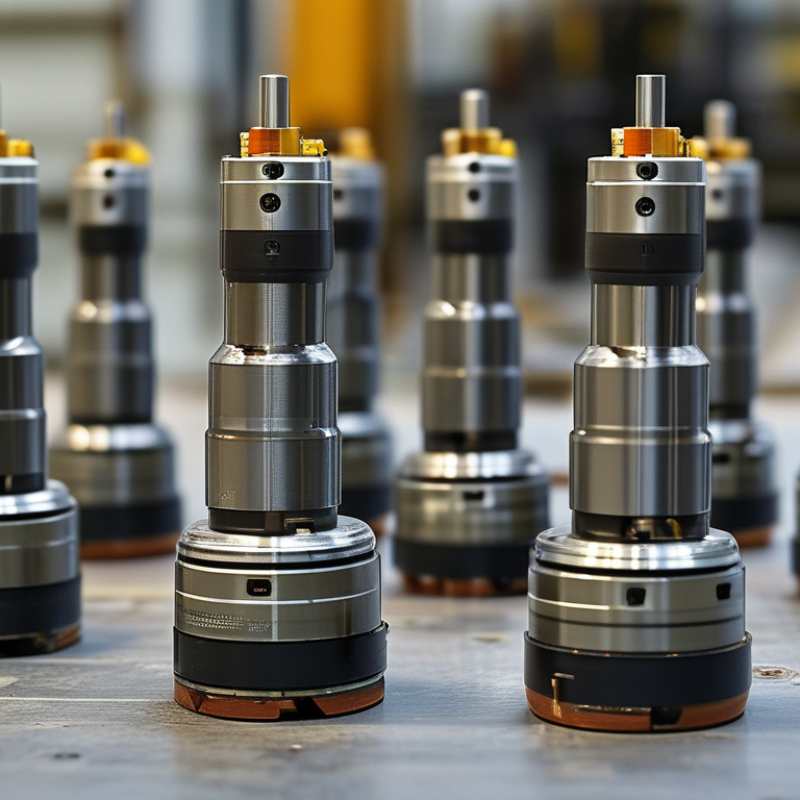
Overview of Small Rotary Actuators and Their Applications
Small rotary actuators play a vital role in various industries. They convert rotary motion into precise control movements. These devices are compact, making them ideal for applications with limited space. They are widely used in robotics, automation, and automotive sectors. The technology behind these actuators continues to evolve, offering better efficiency and reliability.
In robotics, small rotary actuators enable complex movements. They provide accurate positioning for robotic arms and joints. In automotive applications, they control mechanisms like throttle and steering. Despite their advantages, choosing the right actuator can be challenging. Factors such as load capacity and speed must be considered. Users sometimes overlook these aspects, leading to inefficiencies.
Moreover, small rotary actuators are increasingly utilized in consumer electronics. They can be found in cameras for lens adjustment and in smart home devices for automated control. This versatility comes with a trade-off. While they are powerful, they may not always handle heavy loads effectively. Understanding their limitations is crucial for optimal use. Proper selection and application can significantly enhance performance.
Key Features to Consider When Choosing a Small Rotary Actuator
When selecting a small rotary actuator, several key features stand out. The torque rating is crucial for ensuring the actuator can handle the required load. Look for models that offer a broad torque range to match various applications. The speed of operation also matters. A suitable actuator will allow for controlled movements, which is essential in precise applications.
Tips: Always check the actuator's compatibility with your system. Be mindful of the dimensions; a compact actuator fits better in limited spaces. Energy efficiency is another aspect often overlooked. An efficient actuator can reduce operational costs over time.
Payload capacity is important but should be balanced with the actuator's weight. A lightweight actuator can ease the load on supporting structures. However, prioritizing weight might mean sacrificing durability. Take time to assess each feature in relation to your project needs. Reflecting on past choices can improve future decisions. Choosing the right actuator isn't just about specifications; it involves understanding the unique requirements of your application.
Comparison of Key Features of Small Rotary Actuators
Comparison of Top Small Rotary Actuator Brands in 2026
In 2026, the small rotary actuator market shows significant growth potential. According to a recent industry report, the demand for these actuators is expected to rise by 15% annually. This increase aligns with the expanding automation sector across various industries, including automotive and aerospace. Key players are leveraging advanced materials and technologies to enhance performance. However, quality and reliability remain central issues.
Comparing different brands reveals varying levels of innovation and efficiency. Some leading brands prioritize torque output, while others focus on compact designs. Industry analysis highlighted that 30% of users prefer actuators with quick response times. Yet, not all brands meet these expectations. Many fall short in providing detailed specifications, leading to confusion for purchasers. It's crucial to examine product reviews and user testimonials. These sources often reveal insights about durability and support services that cannot be found in marketing brochures.
Manufacturer transparency is vital for making informed choices. Recent surveys indicate that a staggering 40% of users encounter operational issues. Such challenges emphasize the importance of selecting a brand with proven reliability. Small rotary actuators play a pivotal role in automation, but potential buyers must conduct thorough research before investing.
Industry Trends Shaping the Future of Rotary Actuators
The landscape of rotary actuators is evolving rapidly. As industries push for automation, the demand for compact and efficient solutions increases. Companies are focusing on developing small rotary actuators that offer higher torque in limited spaces. This trend is particularly prominent in sectors like robotics and manufacturing.
Sustainability is another critical factor shaping the future. Many manufacturers are exploring eco-friendly materials and energy-efficient designs. This shift not only reduces the environmental footprint but also appeals to a market that increasingly values sustainability. Yet, balancing performance and eco-friendliness can be challenging.
The integration of smart technology is also significant. Actuators equipped with sensors provide real-time feedback. This innovation enhances operational efficiency but raises questions about security and data integrity. The industry must navigate these concerns while embracing advancement. Adapting to these trends is essential for success in a competitive market.
Buying Tips for Global Customers: Factors and Considerations
When selecting a small rotary actuator, global buyers face crucial considerations. The actuator's torque and speed ratings are paramount. According to a recent report from the International Society of Automation, nearly 70% of actuator failures are due to incorrect torque specifications. Understanding these parameters is vital to ensuring smooth operation in various applications. A well-chosen actuator can significantly enhance system efficiency and responsiveness.
Another essential factor is the environmental conditions in which the actuator will operate. Many users overlook this aspect. Actuators can be sensitive to temperature extremes and humidity. Research indicates that 40% of actuators fail prematurely due to harsh environmental conditions. Therefore, knowing the operational environment will help prevent costly downtimes.
Additionally, the compatibility with existing systems is often a source of confusion. Whether it's electrical interfaces or mechanical fittings, mismatches can lead to operational issues. Some reports highlight that 30% of integration problems stem from compatibility oversights. Take time to assess these details. A thorough evaluation can help you choose an actuator that promotes reliability and performance, minimizing failure risks.
2026 Best Small Rotary Actuator for Global Buyers Guide
| Dimension |
Specification |
Performance |
Price Range (USD) |
Application Areas |
| Compact (50mm) |
Torque: 0.5 Nm |
Speed: 60 RPM |
$75 - $120 |
Robotics, Automation |
| Mini (75mm) |
Torque: 1.0 Nm |
Speed: 50 RPM |
$90 - $150 |
Industrial Machinery |
| Micro (30mm) |
Torque: 0.3 Nm |
Speed: 80 RPM |
$50 - $100 |
Consumer Electronics |
| Nano (20mm) |
Torque: 0.2 Nm |
Speed: 100 RPM |
$40 - $75 |
Medical Devices |
| Standard (100mm) |
Torque: 2.0 Nm |
Speed: 40 RPM |
$120 - $200 |
Packaging, Assembly |
Conclusion
The article titled "2026 Best Small Rotary Actuator for Global Buyers Guide" provides a comprehensive overview of small rotary actuators, exploring their diverse applications in various industries. It highlights the key features that buyers should consider when selecting a small rotary actuator, such as torque, speed, and compatibility with control systems. Additionally, the article compares leading brands in the market, giving potential buyers insights into the most reliable options available in 2026.
Furthermore, the piece discusses the latest industry trends that are influencing the future of rotary actuators, including advancements in technology and the growing demand for automation in various sectors. To aid global customers in their purchasing decisions, the article offers practical buying tips, emphasizing important factors and considerations to ensure they choose the right small rotary actuator for their specific needs.

 Weitai Hydraulic